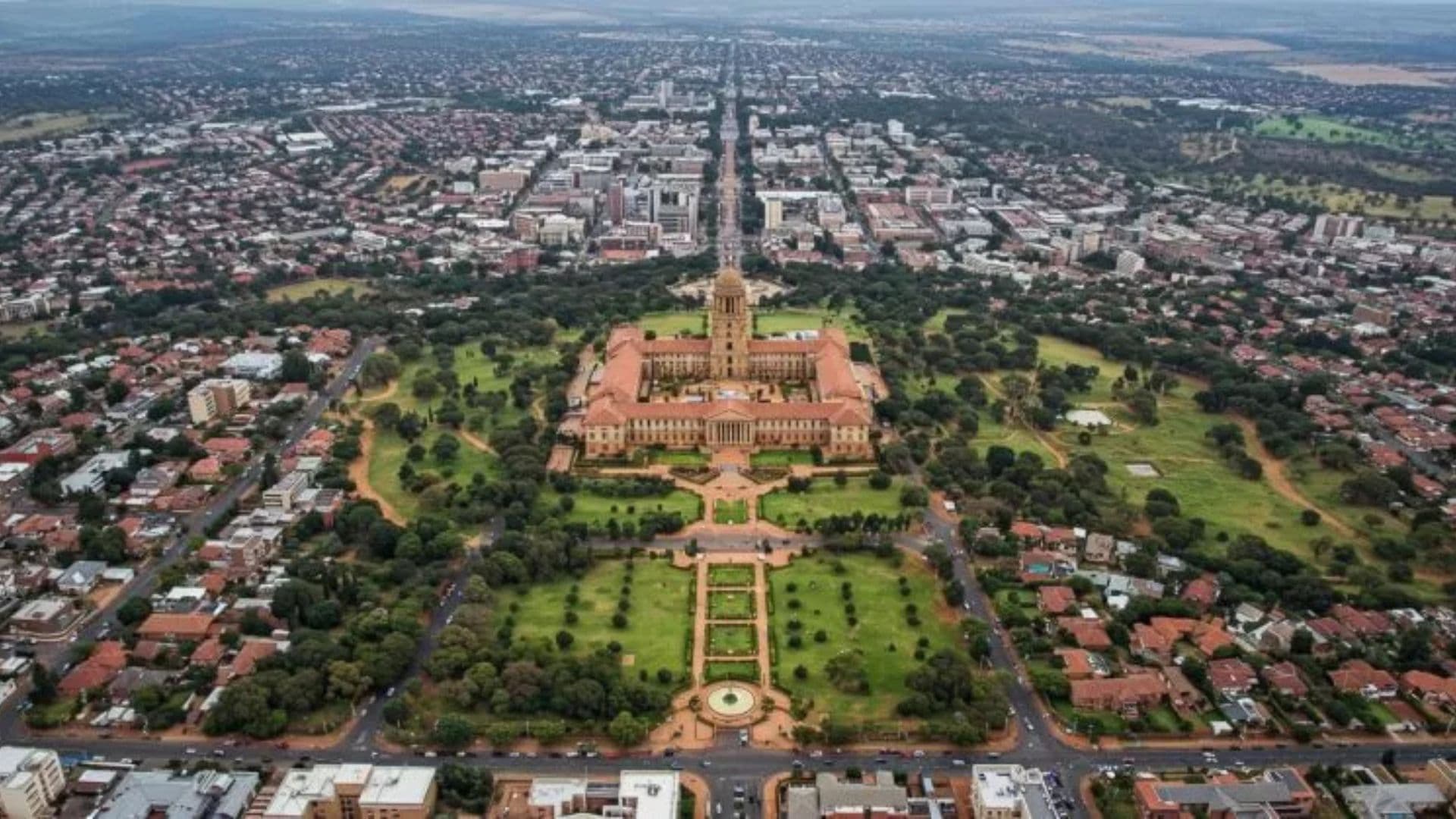
Urban Explorations: Uncovering the Hidden Charms of South African Cities
Discovering the Soul of Urban South Africa Imagine wandering through winding alleyways, where centuries-old architecture stands side by side with...
Discovering the Soul of Urban South Africa
Imagine wandering through winding alleyways, where centuries-old architecture stands side by side with vibrant street art, and every corner reveals a story waiting to be told. South African cities are much more than mere hubs of modern commerce—they are living, breathing canvases that showcase a rich cultural tapestry, historical depth, and an irresistible creative spirit. Urban explorations in South Africa invite you to experience an environment that is constantly evolving; a place where the pulse of the streets echoes the sounds of diverse communities, where flavors burst forth in unassuming street food stalls, and where hidden cultural gems await discovery beneath the surface of everyday city life.
This immersive journey into the heart of South African urban centers is designed to reveal the secrets of neighborhoods often overlooked by the casual visitor. From heritage precincts and bustling markets to serene urban parks and innovative art installations, every element contributes to a multifaceted experience. The beauty of these cities lies not only in their iconic landmarks but also in the quiet, often hidden, details that capture the true essence of modern South Africa. Dive into this exploration to uncover the layers of history, artistry, and innovation that define urban life in this vibrant country.
Unseen Gems of Urban Life in South Africa
Historical Layers and Contemporary Vibrancy
South African cities have a storied past that continues to resonate in the modern urban landscape. Steeped in history, neighborhoods exhibit architectural styles that range from colonial elegance to contemporary boldness. Walking through these vibrant streets is like flipping through a living history book, where each building, street corner, and public space tells a unique narrative. The collision of historical legacies with modern urban renewal creates a dynamic atmosphere that is both reflective and forward-thinking.
In these urban centers, the influence of diverse cultures and eras creates a fusion that is uniquely South African. Modern skyscrapers and sleek office buildings coexist with restored Victorian facades and traditional township structures. This juxtaposition not only offers a rich visual tapestry but also symbolizes the resilience and evolution of a society that has weathered profound change. Whether you’re exploring a centuries-old district or a newly revitalized public space, you are experiencing the interplay of heritage and innovation—a dynamic that fuels the creative energy and cultural pride of these cities.
Architectural Wonders and Heritage Streets
Hidden within the urban sprawl of South African cities are pockets of extraordinary architecture waiting to be discovered. Narrow streets lined with heritage buildings reveal intricate details of craftsmanship that often go unnoticed by the fast-paced traveler. Many cities boast well-preserved districts where colonial-era structures stand as a testament to the past, their facades telling tales of eras long gone, yet ingeniously preserved amid rapid modernization.
Strolling down these historic streets provides more than just an aesthetic pleasure; it offers a window into the socio-cultural evolution of the communities that call these cities home. Ornate public buildings, intimate courtyards, and charming local boutiques form a mosaic of experiences that invite exploration and reflection. These architectural gems are further enriched by art installations and digital projections that infuse modern creativity into historical settings, making heritage sites feel both timeless and contemporary.
The Spirit of Local Culture and Artisan Communities
Beyond the physical structures, the true heartbeat of South African urban life lies in its people and their vibrant cultural expressions. Local artisan markets, tucked away in unexpected corners, burst with handmade crafts, traditional artworks, and locally produced delicacies that encapsulate the spirit of the community. These vibrant hubs of creativity serve as meeting places where tradition and modernity blend seamlessly, offering a sensory overload of colors, textures, and unique designs.
Engaging with local artisans provides a glimpse into the deep-rooted traditions that continue to influence the creative landscape of these cities. Whether it’s the rhythmic beat of indigenous music, the rich flavor profiles of locally sourced ingredients, or the hand-crafted details of a one-of-a-kind piece of art, every encounter is a lesson in cultural heritage. These artisan communities enrich the urban experience by infusing everyday life with warmth, creativity, and a sense of belonging—elements that are as essential to the fabric of the city as its monuments and skylines.
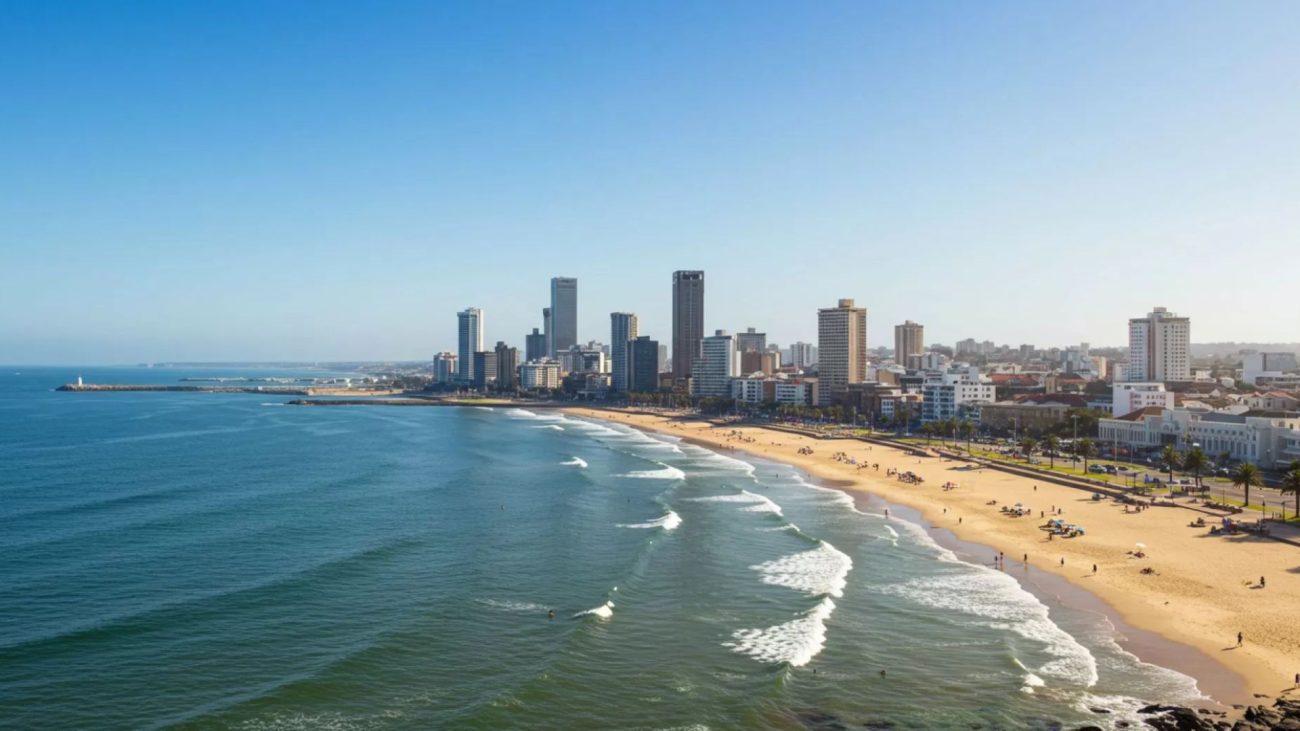
Culinary Adventures: Savoring the Flavors of the City
Discovering Street Food and Hidden Eateries
South Africa's urban cuisine is a vibrant tapestry of flavors, textures, and aromas that reflect the country’s multicultural heritage. Stepping into a bustling street food market, you are greeted by the sizzle of local delicacies, the aroma of grilled meats, and the vibrant displays of colorful ingredients. These informal eateries offer authentic experiences where you can sample fusion dishes and traditional flavors prepared using time-honored techniques.
Every food stall is a story in itself—a testament to the culinary creativity that defines urban South Africa. From the tangy spices of Cape Malay cuisine to the hearty flavors of braai (barbecue), street food vendors serve up a variety of dishes that cater to both adventurous palates and those seeking a taste of home. Here, every bite is a discovery, and every dish connects you to the cultural diversity that permeates the city. Sampling this eclectic array of flavors provides not only sustenance but also an immersive cultural experience that deepens your connection with the local way of life.
Gourmet Dining and Fusion Culinary Experiences
While street food captures the raw, unfiltered essence of urban flavor, South Africa’s cities are also home to an elite gastronomic scene where high-end dining meets innovative fusion cuisine. Upscale restaurants and gourmet bistros offer meticulously crafted menus that blend traditional local recipes with international culinary trends. Dishes are presented with artistic flair, and every course is designed to offer a multi-sensory dining experience that is as much about presentation as it is about flavor.
Some of the city’s finest dining establishments have become cultural landmarks themselves, where the ambiance, service, and food converge to create unforgettable experiences. Imagine enjoying a beautifully plated meal in a stylish urban setting where every ingredient is sourced locally, and every dish tells a story of heritage and innovation. This refined culinary journey reflects the evolution of urban food culture in South Africa, merging time-honored traditions with modern techniques to create dishes that surprise and delight.
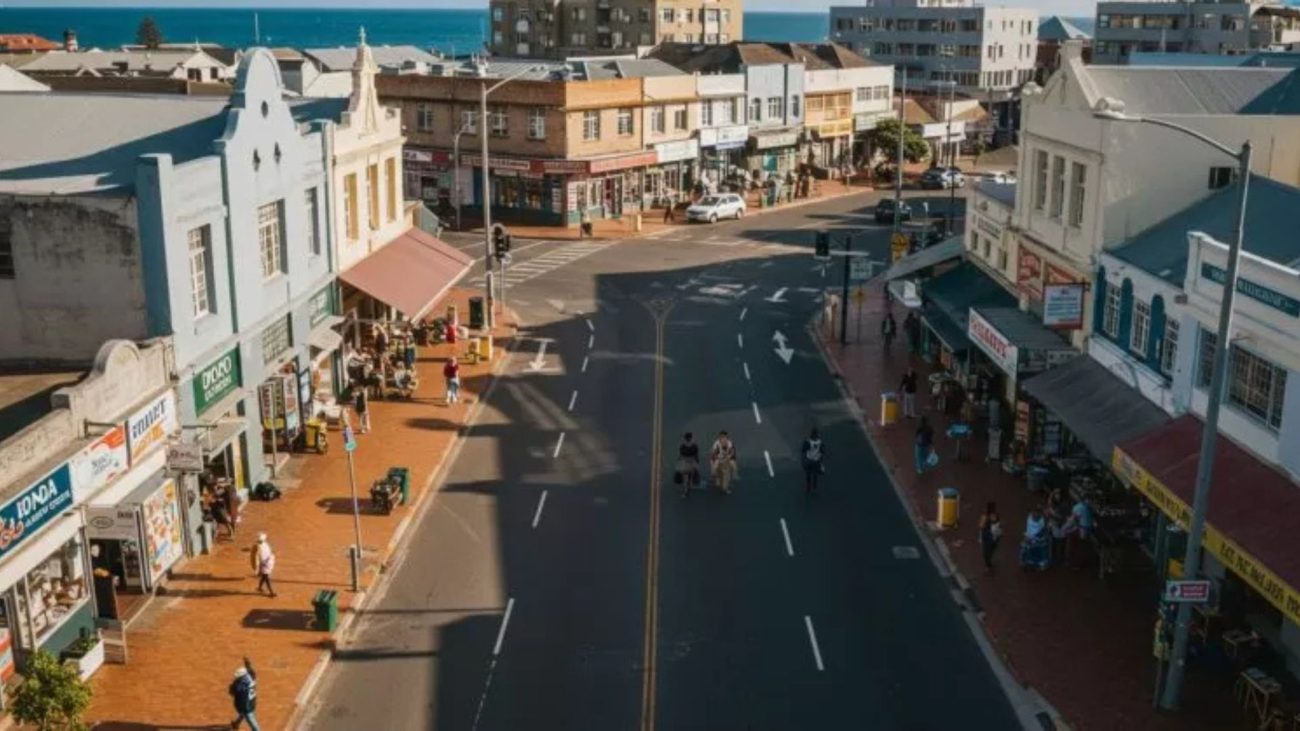
Exploring the Pulse of Urban Creativity
Urban Art, Music, and Cultural Narratives
Cities are vibrant canvases, and South African urban landscapes burst with artistic expressions that reflect a rich cultural heritage. Street art, from bold murals to intricate graffiti, transforms bland urban walls into dynamic art galleries that narrate stories of resistance, hope, and identity. These visual statements, often created by local artists, add a burst of color and energy to the cityscape, turning everyday streets into open-air exhibits where history and modern life intersect.
Alongside street art, live music and cultural performances play a vital role in defining the urban experience. From spontaneous drum circles in public squares to organized concerts in intimate venues, music unifies diverse communities and serves as a powerful medium for storytelling. These artistic expressions are not just observed; they are experienced, inviting visitors to dance, engage, and connect with the spirit of the city. The interplay between visual and performing arts in South Africa’s urban centers creates an atmosphere of continuous cultural celebration, inspiring creativity and community.
Hidden Galleries and Digital Creative Spaces
Beyond the open streets, South African cities are home to an emerging digital art scene that blends traditional art forms with new media. Hidden galleries and digital installations offer innovative platforms for local artists to showcase their work. These spaces provide immersive experiences that invite viewers to interact with art through augmented and virtual reality, adding a new layer of engagement to traditional exhibitions.
Digital creative spaces allow artists to experiment with technologies that transform static artwork into interactive experiences. Visitors can explore virtual galleries where each piece comes alive with audio, video, and interactive elements, offering new ways to appreciate art and creative expression. This fusion of art and technology not only enriches the urban cultural landscape but also propels South African creative talent onto the global stage—demonstrating how digital platforms can extend the reach and impact of artistic endeavors.
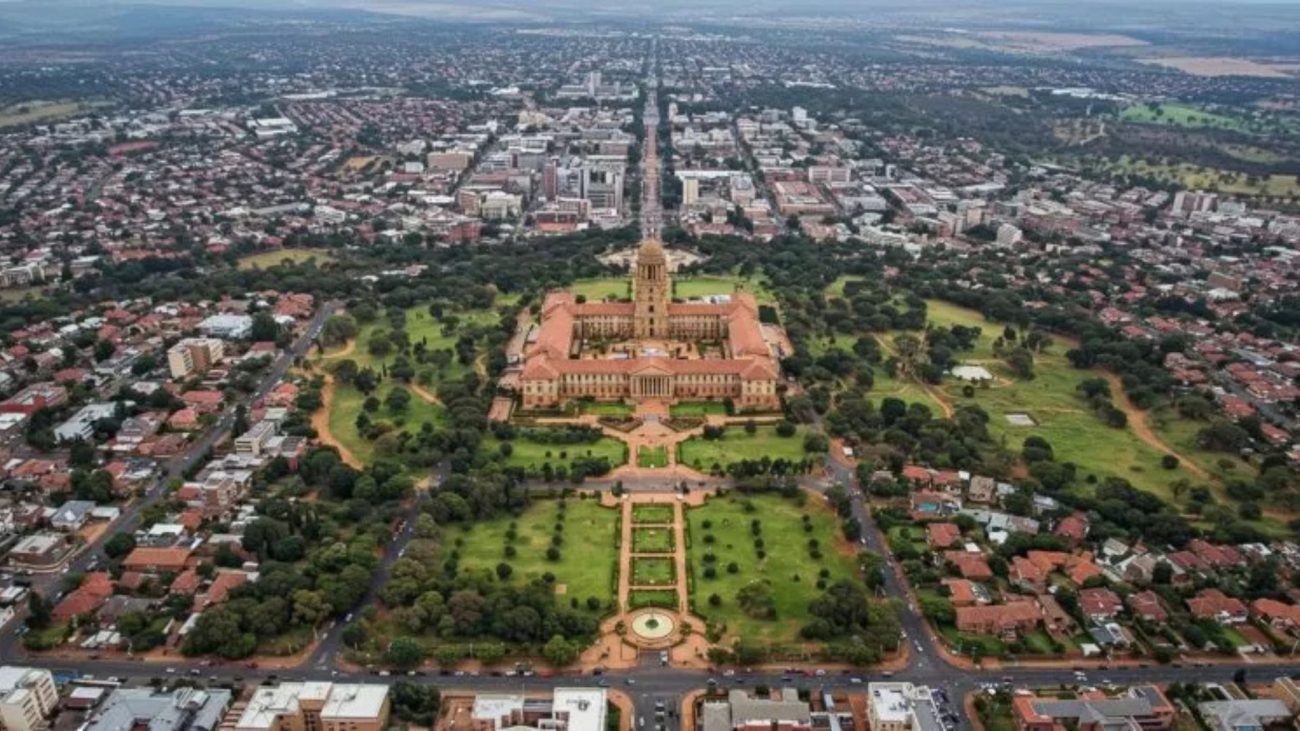
The Green Pulse Amid Urban Life
Urban Parks, Gardens, and Natural Retreats
Even in the midst of rapidly developing urban centers, nature finds a way to assert its presence. South African cities boast numerous parks, botanical gardens, and green spaces that offer a respite from the hustle and bustle of city life. These natural retreats provide not only a breath of fresh air but also essential social spaces where residents and visitors can connect with nature, relax, and recharge.
Urban parks are often designed with both aesthetics and sustainability in mind. Lush greenery, carefully planned water features, and landscaped pathways offer a harmonious blend of nature and urban design. These areas serve as communal hubs, hosting cultural events, outdoor concerts, and community gatherings that celebrate local traditions. Exploring these natural spaces provides a deeper understanding of how South African cities balance modernity with nature—a delicate dance that enriches the overall urban experience.
Rooftop Gardens and Sustainable Urban Living
A growing trend in South African urban design is the incorporation of rooftop gardens and green spaces into high-rise buildings and commercial complexes. These innovative solutions not only provide a much-needed touch of nature in dense urban areas but also contribute to sustainability efforts by improving air quality, reducing building energy consumption, and offering urban residents a place to unwind.
Rooftop gardens have become a symbol of a new era in urban planning, where sustainability and luxury coexist. Many of these green spaces offer stunning panoramic views of the city, combined with amenities that encourage leisure and community interaction. By integrating nature into the urban fabric, these gardens create healthier, more vibrant environments that enhance the quality of life for city dwellers. They serve as a reminder that even in the heart of bustling metropolises, there are hidden oases of tranquility waiting to be discovered.
The Digital Frontier: Technology and Urban Exploration
Innovative Mapping and Virtual City Tours
The digital transformation of urban exploration is opening up unprecedented opportunities for discovering the hidden gems of South African cities. Innovative mapping technologies and virtual city tours are revolutionizing how tourists and locals alike navigate urban landscapes. Utilizing high-resolution satellite imagery, interactive maps, and augmented reality overlays, these tools provide detailed insights into the city’s architecture, history, and cultural hotspots in real time.
Virtual tours allow users to explore cities from the comfort of their own homes, offering 360-degree views of neighborhoods, historic landmarks, and vibrant public spaces. These digital experiences are enhanced by user-friendly interfaces and dynamic content that responds to real-time data. This new way of navigating urban environments makes city exploration more accessible and engaging, and it opens up opportunities for travelers to plan their visits with a richer understanding of what each destination has to offer.
The Role of Technology in Revitalizing Urban Spaces
Technology is not only transforming the way we explore cities; it is also playing a key role in revitalizing urban spaces. Smart city solutions, IoT integrations, and data analytics are being used to create more efficient, connected, and sustainable urban environments. These technological innovations facilitate everything from traffic management and public safety to energy efficiency and environmental sustainability.
Digital platforms now allow city planners and local governments to gather real-time data on urban activities, identify areas for improvement, and implement targeted initiatives that enhance the quality of urban life. This data-driven approach is instrumental in creating cities that are not only more livable but also more resilient in the face of rapid urbanization. As technology continues to advance, its role in shaping the future of urban landscapes will only grow, transforming how we think about and interact with the places we live and visit.
Embracing the Future of Urban Exploration
The seamless integration of digital technologies into urban exploration sets the stage for a new era of discovery. As high-tech mapping, interactive virtual tours, and smart city solutions converge, the way we perceive and experience cities is transformed. This digital evolution enhances our ability to appreciate the intricate beauty and vibrant culture of urban life, making it easier than ever to explore and connect with the hidden charms of South African cities.
By merging immersive technology with cultural heritage, this new wave of urban exploration not only enriches our understanding of modern metropolises but also drives a greater appreciation for the balance between innovation and tradition. It promises to create a future where digital tools enhance every aspect of city living, from planning and tourism to social interaction and community development.
Frequently Asked Questions
What drives the modern evolution of urban exploration in South African cities?
Modern urban exploration is fueled by a blend of historical legacy and innovative renewal. Cities are transforming into interactive spaces that combine heritage, modern art, and advanced technology, offering unique perspectives that engage both locals and tourists in dynamic ways.
How does mixed digital content enhance the discovery of hidden urban gems?
Digital platforms facilitate immersive, 360-degree experiences that allow users to explore architectural details, vibrant street art, and bustling local markets beyond traditional visual cues. These platforms blend rich multimedia content with interactive digital tools, offering a more comprehensive and engaging way to discover a city’s hidden charms.
What role does technology play in reviving urban spaces?
Emerging technologies like advanced mapping, augmented reality, and smart city solutions are being used to enhance urban planning and revitalization efforts. These digital tools help manage resources, improve sustainability, and transform public spaces into more accessible, engaging environments for residents and visitors alike.
How are local cultures and communities represented in urban explorations?
Local culture is woven into the fabric of urban exploration through interactive experiences that highlight traditional crafts, culinary delights, and artistic expressions. Digital storytelling, community-driven initiatives, and immersive exhibits allow urban explorers to connect deeply with the everyday experiences and heritage of city life.
What future trends can we expect in the realm of urban exploration?
As technology evolves, urban exploration will likely become even more immersive with real-time data integration, AI-driven personalization, and enhanced virtual experiences. Future trends include digital twin cities, interactive virtual guides, and widespread use of augmented reality to overlay historical and cultural information onto modern urban landscapes.
Gerald Ferreira
Sharing authentic stories and expert insights from the heart of South Africa's tourism landscape.
More From South Africa

Stargazing Pods to Forest Baths: Unique Wellness Escapes in South Africa
A Glimpse into Restorative Journeys Beyond Conventional Travel Across South Africa, the landscape of wellness travel is transforming into a...
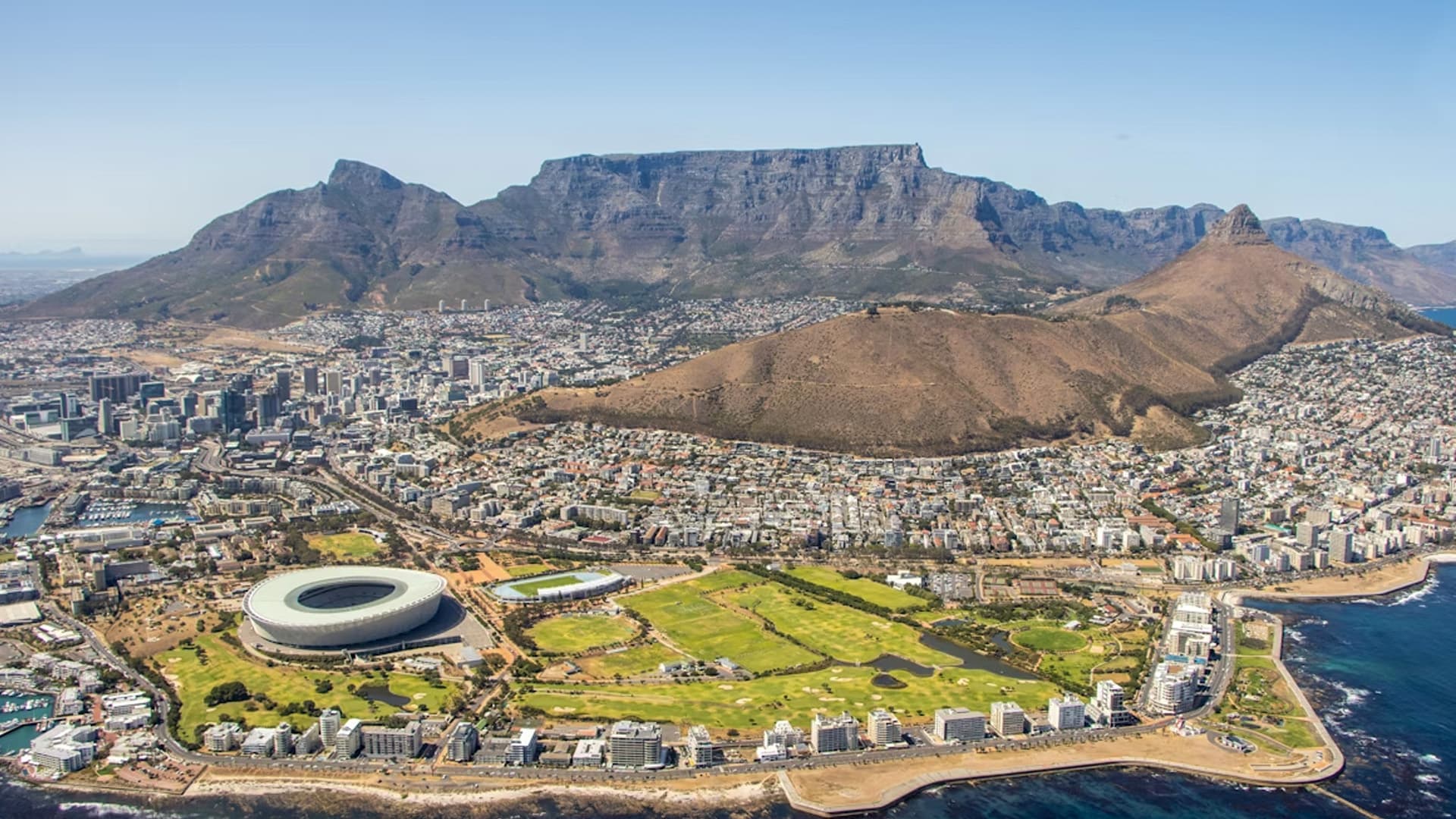
Cape Town Day Tours You Can’t Miss in 2025
A 2025 Field Guide to Cape Town’s Most Essential Day Trips Some cities ask to be strolled; Cape Town asks to be circumnavigated, climbed, ferried...
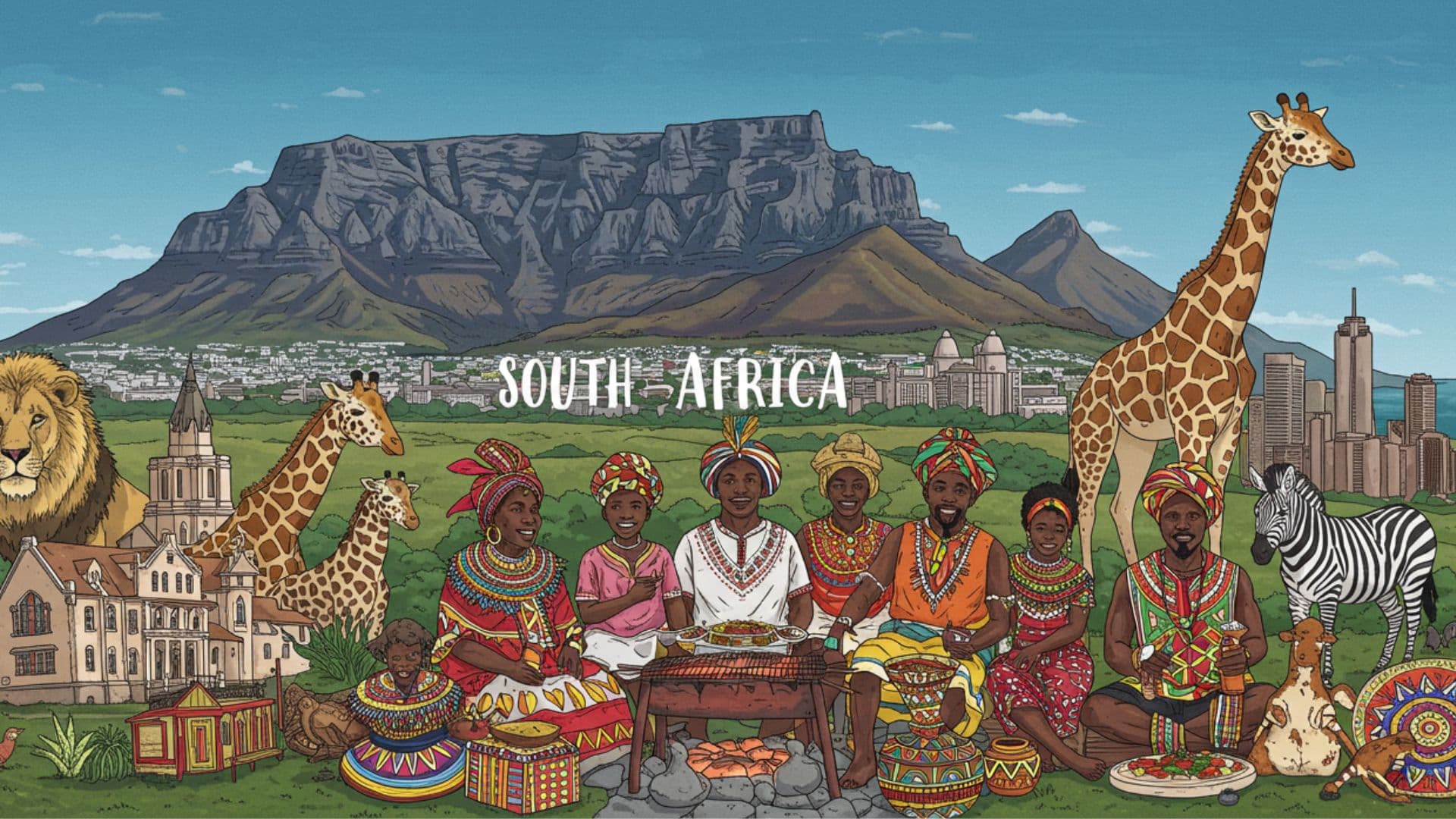
Essential Tips for First-Time Tourists in South Africa
Your Complete Guide to a Safe, Stunning, and Unforgettable Adventure South Africa offers an extraordinary blend of vibrant cultures, breathtaking...
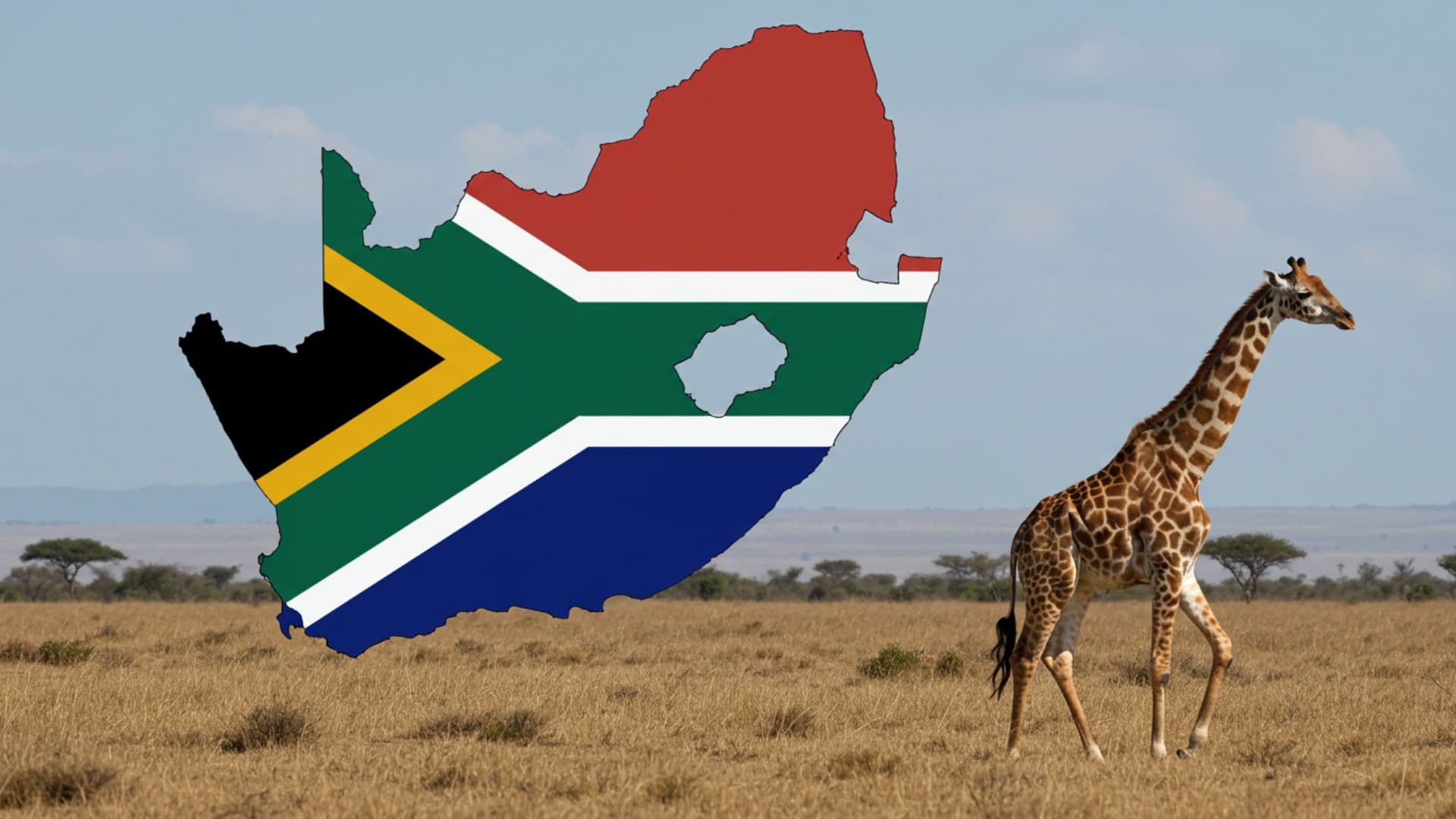
Discovering South Africa
Experience the Vibrant Tapestry of Luxury, Flavor, and Scenic Beauty South Africa unfolds as a realm where modern sophistication meets timeless...
Sustainable and Responsible Tourism
Embracing Eco-Friendly Lodges and Ethical Wildlife Conservation Tours in South Africa Imagine waking up to the sounds of the African wilderness...

Ultimate Guide to Touring South Africa: Top Activities and Experiences
Discover the Wonders of South Africa with South African Tours South Africa, often referred to as the "Rainbow Nation," offers a rich tapestry of...