
Sustainable and Responsible Tourism
Embracing Eco-Friendly Lodges and Ethical Wildlife Conservation Tours in South Africa Imagine waking up to the sounds of the African wilderness...
Embracing Eco-Friendly Lodges and Ethical Wildlife Conservation Tours in South Africa
Imagine waking up to the sounds of the African wilderness, where your stay not only minimizes environmental impact but also supports local communities. Picture embarking on a wildlife tour where every encounter contributes to the preservation of endangered species and their habitats. Sustainable and responsible tourism is transforming the way we explore South Africa, emphasizing environmental stewardship, cultural preservation, and ethical interactions with nature. This guide highlights eco-friendly lodges that champion sustainability and community support, as well as wildlife conservation tours that promote ethical wildlife experiences contributing to meaningful conservation efforts.
Eco-Friendly Lodges: Sustainable Accommodations Supporting Local Communities
1. Grootbos Private Nature Reserve
Nestled along the Western Cape's pristine coastline, Grootbos Private Nature Reserve offers a luxurious and eco-friendly retreat that seamlessly blends with its natural surroundings. The lodge is committed to sustainability through its use of renewable energy sources, water conservation measures, and waste reduction practices. Each accommodation is designed with eco-friendly materials, ensuring minimal environmental impact while providing guests with unparalleled comfort and stunning views.
Grootbos also plays a significant role in supporting local communities by sourcing food and products from nearby suppliers and employing local staff. Additionally, the reserve invests in community development projects, including education and healthcare initiatives, ensuring that tourism benefits extend beyond its immediate environment. Guests can engage in guided nature walks, participate in conservation activities, and experience the rich biodiversity of the reserve, all while contributing to the preservation of South Africa's natural heritage.
2. Kiepersol Nature Reserve
Located in the Western Cape, Kiepersol Nature Reserve is renowned for its commitment to sustainable luxury. The reserve features a variety of accommodations, including elegant villas and eco-friendly chalets, all designed to harmonize with the surrounding fynbos and marine ecosystems. Kiepersol prioritizes sustainability through initiatives such as solar energy utilization, rainwater harvesting, and comprehensive recycling programs.
Beyond its environmental efforts, Kiepersol supports local communities by offering employment opportunities and partnering with local artisans and businesses. The reserve also hosts educational programs and workshops focused on conservation and sustainable living, fostering a deeper connection between guests and the environment. Visitors can enjoy activities like guided hikes, bird watching, and marine excursions, all while knowing their stay contributes to the ongoing preservation of South Africa's unique landscapes and wildlife.
3. Sabi Sabi Earth Lodge
Set within the prestigious Sabi Sabi Private Game Reserve, Earth Lodge epitomizes sustainable luxury in the heart of South Africa's wilderness. The lodge is designed with sustainability at its core, featuring eco-friendly construction, energy-efficient systems, and a focus on reducing its carbon footprint. Earth Lodge operates on renewable energy, employs water-saving technologies, and implements strict waste management protocols to ensure minimal environmental impact.
Sabi Sabi Earth Lodge also emphasizes community involvement by sourcing food locally, supporting local businesses, and engaging in community outreach programs. The lodge collaborates with local schools and organizations to promote education and economic development, ensuring that tourism benefits are shared with the surrounding communities. Guests can indulge in world-class safari experiences, guided by expert rangers who are dedicated to wildlife conservation and environmental education, making their stay both luxurious and responsible.
Benefits of Staying in Eco-Friendly Lodges
Choosing to stay in eco-friendly lodges offers numerous benefits that extend beyond personal comfort and luxury. These accommodations are designed to minimize environmental impact through sustainable practices such as energy conservation, water management, and waste reduction. By opting for eco-friendly lodges, travelers contribute to the preservation of natural habitats and the protection of biodiversity, ensuring that South Africa's stunning landscapes and diverse wildlife remain intact for future generations.
Moreover, eco-friendly lodges often support local communities by providing employment opportunities, sourcing food and materials locally, and funding community projects. This fosters sustainable development and cultural preservation, allowing tourism to have a positive and lasting impact on the regions visited. Guests also gain a deeper appreciation for the destination through immersive experiences that highlight the natural beauty and cultural richness of South Africa, enhancing their overall travel experience while making a meaningful contribution to the places they visit.

Wildlife Conservation Tours: Ethical Wildlife Experiences Contributing to Conservation
1. Mara Conservancies Safari
Embark on an unforgettable journey with Mara Conservancies Safari, where every safari experience directly supports wildlife conservation efforts in South Africa's renowned Mara Conservancy. This ethical wildlife tour offers guided safaris led by experienced rangers who are passionate about preserving the region's rich biodiversity. Participants can witness the majestic Big Five, observe the incredible migration of wildebeest and zebra, and learn about ongoing conservation projects aimed at protecting endangered species and their habitats.
Mara Conservancies Safari operates with a strong commitment to sustainability, ensuring that all activities have minimal impact on the environment. A portion of the tour fees is dedicated to anti-poaching initiatives, habitat restoration, and community education programs, empowering local communities to take an active role in wildlife conservation. Guests can engage in responsible wildlife viewing, participate in conservation workshops, and contribute to meaningful efforts that safeguard South Africa's natural heritage for future generations.
2. Eco-Adventure Botswana
While primarily based in Botswana, Eco-Adventure Botswana offers exclusive wildlife conservation tours in South Africa, focusing on ethical and sustainable tourism practices. These tours provide an intimate and immersive experience, allowing travelers to connect with nature while supporting critical conservation initiatives. Visitors can explore diverse ecosystems, from savannas and wetlands to forests and deserts, guided by knowledgeable experts who are dedicated to protecting South Africa's wildlife and natural landscapes.
Eco-Adventure Botswana emphasizes responsible tourism by adhering to strict guidelines for wildlife interaction, ensuring that animals are observed in their natural behaviors without disturbance. The tours also support community-based conservation projects, providing employment opportunities and promoting sustainable livelihoods for local residents. Guests can participate in wildlife monitoring, habitat restoration, and anti-poaching efforts, making their wildlife adventure both thrilling and impactful.
3. Wilderness Safaris
Wilderness Safaris is a leading provider of ethical wildlife conservation tours in South Africa, renowned for its commitment to sustainability and conservation. The organization operates a network of private game reserves and national parks, offering a range of safari experiences that prioritize wildlife protection and environmental stewardship. Wilderness Safaris collaborates with conservation organizations, researchers, and local communities to implement effective conservation strategies and promote sustainable tourism practices.
Participants in Wilderness Safaris tours can enjoy personalized and exclusive wildlife encounters, guided by expert rangers who are actively involved in conservation efforts. The tours include activities such as tracking endangered species, engaging in anti-poaching patrols, and contributing to scientific research projects. By choosing Wilderness Safaris, travelers support initiatives that aim to preserve South Africa's rich biodiversity and ensure the long-term sustainability of its wildlife populations.
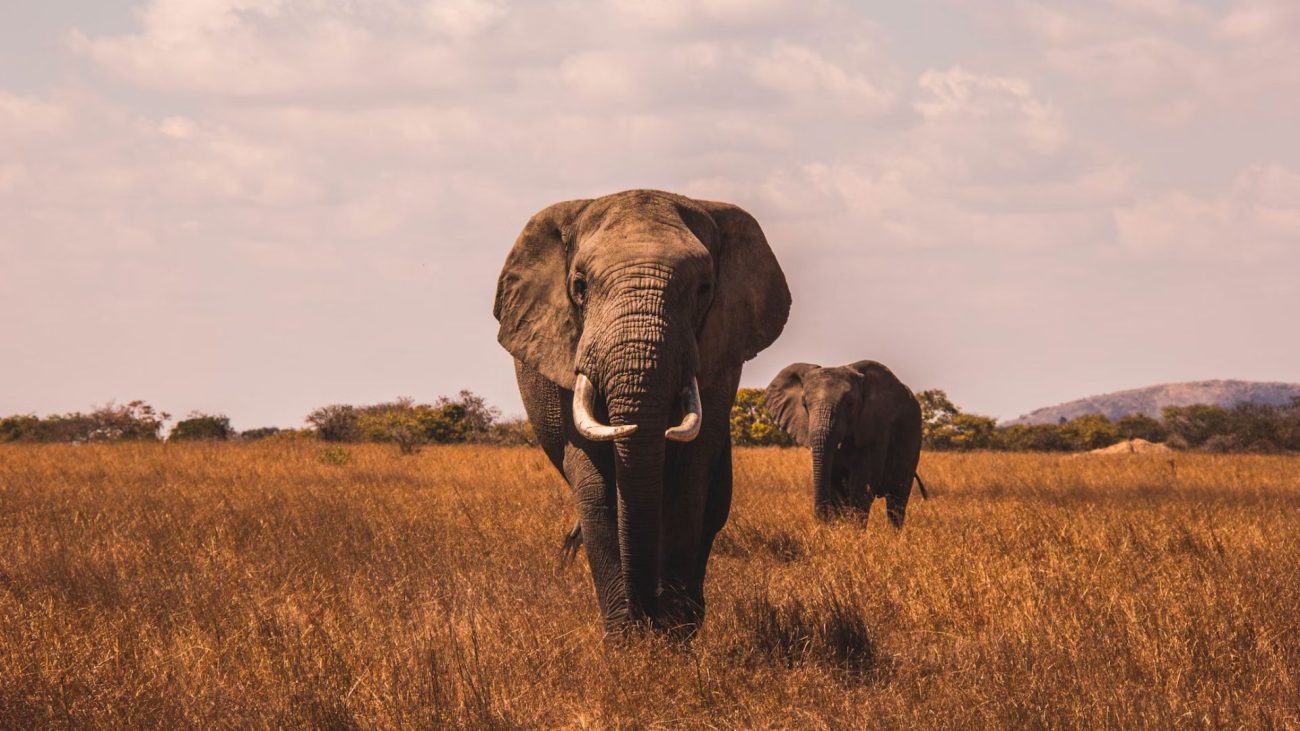
Principles of Ethical Wildlife Tourism
Ethical wildlife tourism is founded on principles that prioritize the well-being of animals, the preservation of natural habitats, and the support of local communities. These principles ensure that tourism activities do not harm wildlife or their environments and that they contribute positively to conservation efforts.
Respect for Wildlife
Ethical wildlife tours emphasize respectful and non-intrusive interactions with animals. This means maintaining a safe and appropriate distance, avoiding actions that could stress or disturb the animals, and following established guidelines for wildlife viewing. By respecting wildlife, tourists help preserve natural behaviors and reduce the impact of human presence on animal populations.
Conservation Support
A key aspect of ethical wildlife tourism is the active support of conservation initiatives. This can involve donating a portion of tour fees to anti-poaching efforts, habitat restoration projects, and wildlife research. Tour operators play a crucial role in ensuring that their activities directly contribute to the preservation and protection of wildlife and their ecosystems.
Community Engagement
Ethical wildlife tourism involves meaningful engagement with local communities, ensuring that they benefit from tourism activities. This includes providing employment opportunities, supporting local businesses, and involving community members in conservation projects. By fostering a sense of ownership and responsibility, tourism can empower communities to take an active role in protecting their natural resources.
Sustainable Practices
Sustainable practices are essential in ethical wildlife tourism to minimize environmental impact. This includes reducing waste, conserving energy, and using eco-friendly transportation and accommodations. Sustainable tourism ensures that natural habitats remain intact and that wildlife populations are not adversely affected by human activities.
By adhering to these principles, wildlife conservation tours provide enriching and responsible experiences that contribute to the long-term preservation of wildlife and their habitats, while also supporting the well-being of local communities.
Sustainable and responsible tourism is reshaping the way we travel, emphasizing the importance of environmental stewardship, cultural preservation, and ethical interactions with nature. By choosing eco-friendly lodges that prioritize sustainability and support local communities, travelers can enjoy luxurious and comfortable accommodations while contributing to the preservation of natural habitats and the well-being of local residents. Similarly, engaging in wildlife conservation tours ensures that every encounter with wildlife supports meaningful conservation efforts, protecting endangered species and their ecosystems for future generations.
Embracing sustainable and responsible tourism not only enhances personal travel experiences but also fosters a deeper connection to the destinations we explore. It encourages us to become more mindful travelers, committed to making positive impacts wherever our journeys take us. As the global tourism industry continues to evolve, the principles of sustainability and responsibility will remain paramount, guiding us towards a future where travel enriches both our lives and the world around us.

Frequently Asked Questions
How can I identify eco-friendly lodges in South Africa?
To identify eco-friendly lodges in South Africa, look for certifications such as Green Globe or EarthCheck, which indicate adherence to sustainability standards. Research the lodge’s sustainability practices, such as renewable energy usage, water conservation measures, and waste management protocols. Additionally, consider lodges that actively support local communities through employment, sourcing locally produced goods, and funding community projects. Reading reviews and visiting the lodge’s website for information on their environmental and social initiatives can also help you make an informed decision.
What should I consider when choosing a wildlife conservation tour in South Africa?
When choosing a wildlife conservation tour in South Africa, consider the tour operator’s commitment to ethical practices, such as respectful wildlife interactions and support for conservation initiatives. Look for tours that employ knowledgeable local guides, adhere to sustainable practices, and contribute to local communities and conservation projects. Additionally, ensure that the tour follows guidelines for minimizing environmental impact and preserving natural habitats. Checking reviews and certifications can also help in selecting a reputable and responsible tour provider.
Can staying in eco-friendly lodges contribute to wildlife conservation?
Yes, staying in eco-friendly lodges can significantly contribute to wildlife conservation. Many eco-friendly lodges support conservation efforts by funding anti-poaching initiatives, habitat restoration projects, and wildlife research. By choosing lodges that prioritize sustainability and actively engage in conservation activities, travelers help protect natural habitats and endangered species. Additionally, eco-friendly lodges often educate guests about local wildlife and conservation challenges, fostering a deeper understanding and commitment to preservation efforts.
What are the benefits of participating in wildlife conservation tours?
Participating in wildlife conservation tours offers numerous benefits, including supporting critical conservation efforts, promoting sustainable tourism practices, and fostering a deeper connection with nature. These tours contribute to the preservation of endangered species and their habitats, provide funding for anti-poaching initiatives, and support local communities involved in conservation work. Additionally, wildlife conservation tours offer educational opportunities, allowing participants to learn about biodiversity, ecosystem dynamics, and the importance of sustainable practices in protecting wildlife.
How does sustainable tourism impact local communities in South Africa?
Sustainable tourism positively impacts local communities in South Africa by providing employment opportunities, supporting local businesses, and funding community development projects. Eco-friendly lodges and ethical wildlife tours often source food, materials, and services from local suppliers, ensuring that economic benefits are distributed within the community. Additionally, sustainable tourism initiatives can fund education, healthcare, and infrastructure projects, improving the quality of life for local residents. By fostering economic growth and cultural preservation, sustainable tourism helps build resilient and thriving communities that are actively involved in conservation and sustainable development efforts.
Gerald Ferreira
Sharing authentic stories and expert insights from the heart of South Africa's tourism landscape.
More From South Africa

Stargazing Pods to Forest Baths: Unique Wellness Escapes in South Africa
A Glimpse into Restorative Journeys Beyond Conventional Travel Across South Africa, the landscape of wellness travel is transforming into a...

Cape Town Day Tours You Can’t Miss in 2025
A 2025 Field Guide to Cape Town’s Most Essential Day Trips Some cities ask to be strolled; Cape Town asks to be circumnavigated, climbed, ferried...
Essential Tips for First-Time Tourists in South Africa
Your Complete Guide to a Safe, Stunning, and Unforgettable Adventure South Africa offers an extraordinary blend of vibrant cultures, breathtaking...

Urban Explorations: Uncovering the Hidden Charms of South African Cities
Discovering the Soul of Urban South Africa Imagine wandering through winding alleyways, where centuries-old architecture stands side by side with...
Discovering South Africa
Experience the Vibrant Tapestry of Luxury, Flavor, and Scenic Beauty South Africa unfolds as a realm where modern sophistication meets timeless...

Ultimate Guide to Touring South Africa: Top Activities and Experiences
Discover the Wonders of South Africa with South African Tours South Africa, often referred to as the "Rainbow Nation," offers a rich tapestry of...