Essential Tips for First-Time Tourists in South Africa
Your Complete Guide to a Safe, Stunning, and Unforgettable Adventure South Africa offers an extraordinary blend of vibrant cultures, breathtaking...
Your Complete Guide to a Safe, Stunning, and Unforgettable Adventure
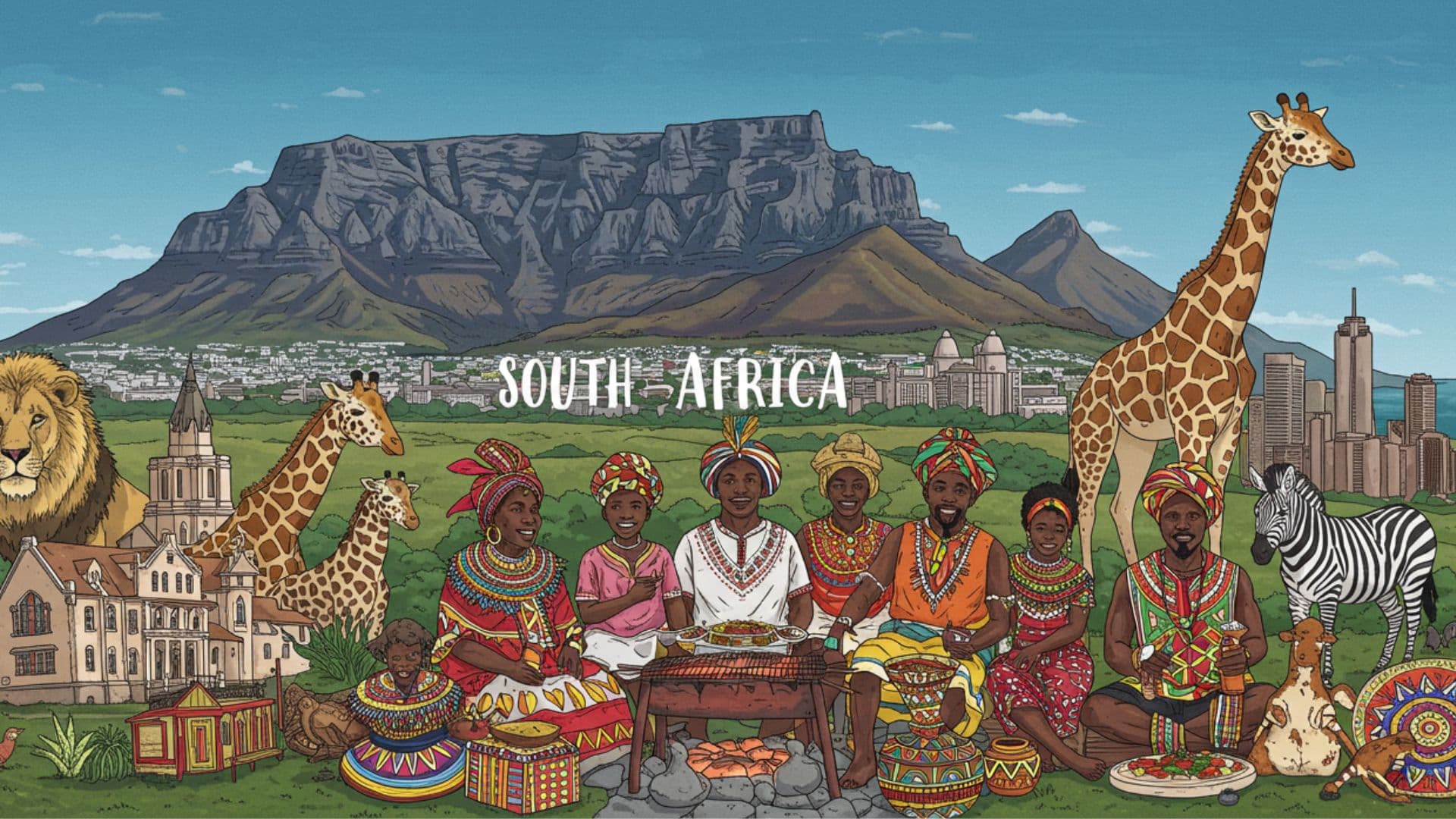
South Africa offers an extraordinary blend of vibrant cultures, breathtaking landscapes, and rich wildlife—making it a bucket-list destination for many travelers. From the cosmopolitan bustle of Cape Town to the untamed beauty of the Kruger National Park, first-time visitors have much to explore and experience. To ensure your journey is seamless, enjoyable, and worry-free, this comprehensive guide provides practical advice on planning, cultural insights, safety considerations, transportation logistics, and the must-see highlights that define a South African adventure.
Planning Your Trip
Choosing the Best Time to Visit
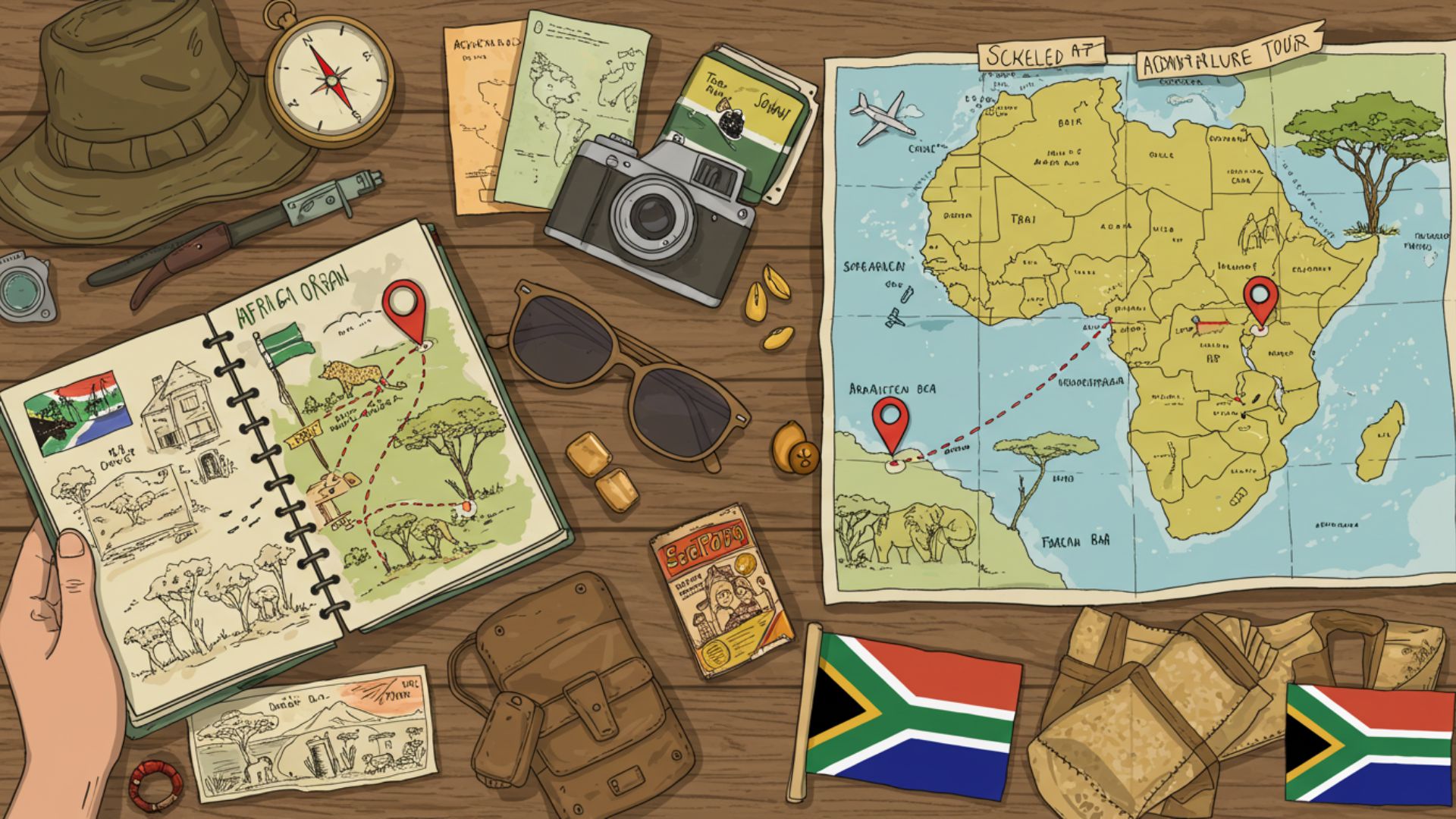
South Africa’s climate varies dramatically by region, so timing your visit depends on the experiences you prioritize. For wildlife safaris in the northeastern parks such as Kruger, the dry winter months (May–September) offer optimal game viewing as vegetation thins and animals congregate around water sources. Coastal areas like Cape Town, however, are most pleasant during the South African summer (November–February), when warm days and cool evenings make beach outings and wine-tasting tours especially enjoyable.
Bear in mind that high season (December–January and July school holidays) brings larger crowds and higher rates—so if you prefer fewer tourists and better deals, consider shoulder seasons such as March–April or September–October. These months still boast good weather for most regions and allow you to explore popular sites without peak-season congestion, giving you more spacious beaches, quieter vineyards, and lower-priced accommodation.
Visa Requirements and Documentation
Most visitors from Europe, North America, Australia, and many Commonwealth countries can enter South Africa visa-free for up to 90 days, provided their passport is valid for at least 30 days beyond the intended departure date and contains at least two blank pages. However, always verify current rules well before departure, as visa policies can change with little notice. If your nationality requires a visa, apply at a South African embassy or consulate at least six weeks prior to travel to allow for processing delays.
In addition to visa arrangements, carry digital and physical copies of your passport bio page, travel insurance certificate, flight bookings, and accommodation confirmations. Border controls may request proof of onward travel or sufficient funds during your stay. Having these documents readily accessible—either printed or in a secure mobile app—will ease immigration checks and minimize delays at ports of entry.
Packing Essentials and Electrical Considerations
Packing for South Africa means preparing for diverse climates and activities. Include lightweight, breathable clothing for daytime explorations, layered outerwear for cooler evenings, and sturdy walking shoes or hiking boots. If you plan safari excursions, neutral-colored clothing helps you blend into the environment, while a wide-brimmed hat, polarized sunglasses, and high-SPF sunscreen guard against intense sun exposure. Don’t forget insect repellent containing DEET or picaridin to protect against mosquitoes, especially in malaria zones.
South Africa uses Type M electrical outlets (three round pins in a triangular pattern) at 230 V and 50 Hz. Pack a suitable universal adapter and, if you plan long off-grid excursions, consider a portable power bank or solar charger. With unpredictable power outages (“load shedding”) common in some regions, having backup battery capacity ensures your devices—phone, camera, GPS—remain charged and accessible throughout your journey.
Understanding Local Culture and Etiquette
Language Diversity and Basic Phrases
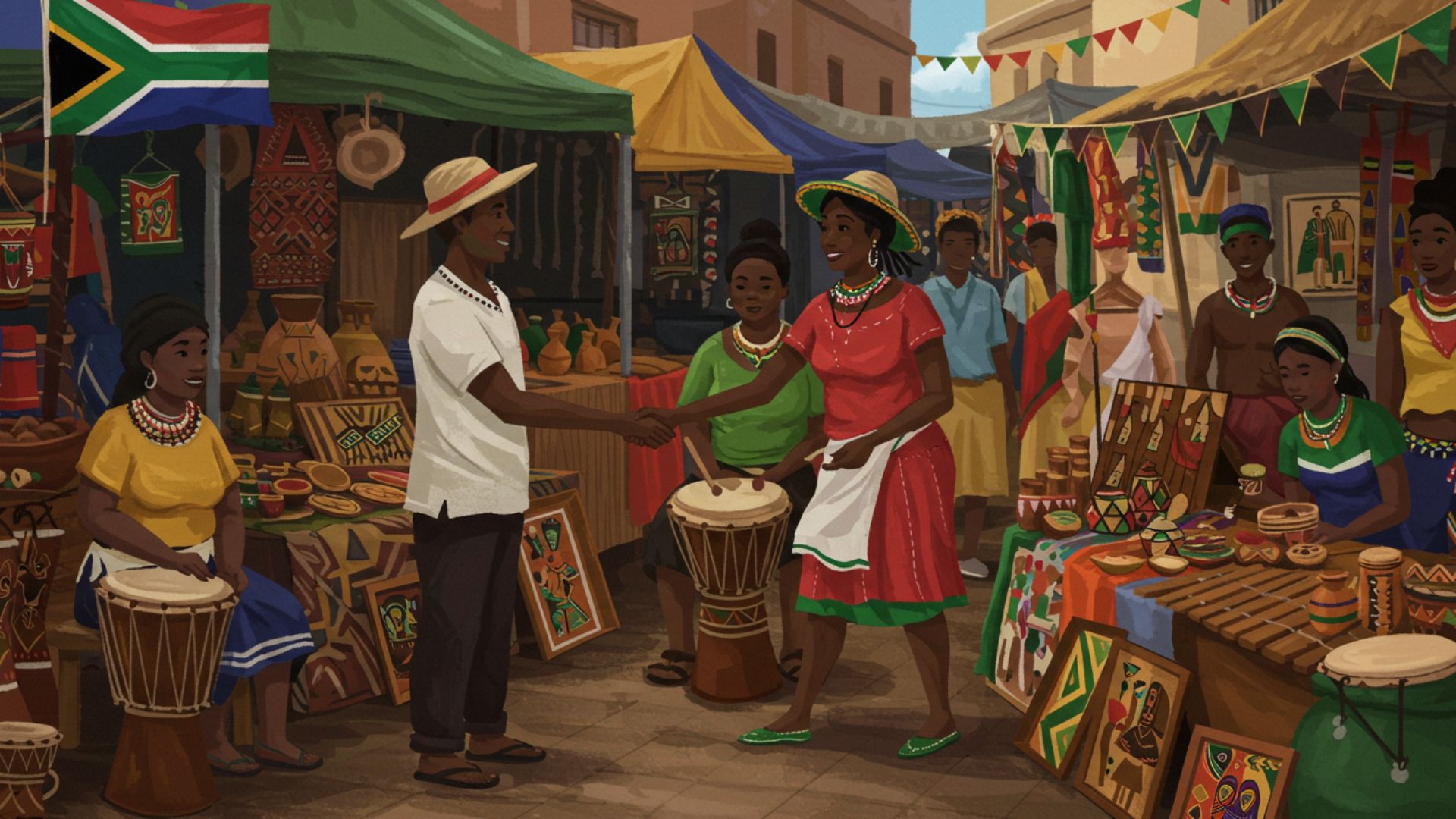
South Africa has eleven official languages, including English, Afrikaans, isiXhosa, and isiZulu. While English is widely spoken in urban centers, learning a few basic greetings in local languages fosters goodwill and shows respect for cultural diversity. Simple phrases such as “Sawubona” (hello in Zulu), “Molo” (hello in Xhosa), and “Baie dankie” (thank you in Afrikaans) will endear you to locals and may even unlock insider tips on hidden gems.
Pronunciation need not be perfect—most South Africans appreciate the effort and respond warmly. Language apps or pocket phrasebooks can supplement your knowledge, and many tour operators provide multilingual guides. Familiarity with local expressions also deepens your connection to the places you visit, whether chatting with market vendors, participating in community tours, or negotiating prices at roadside stalls.
Cultural Etiquette and Respectful Behavior
Respect for personal space and social norms varies by region and community. In formal or business settings, a firm handshake and eye contact are customary. In township or rural areas, it’s polite to wait for a greeting before initiating conversation. Avoid discussing sensitive topics such as politics or apartheid unless invited, and always approach historical sites—robben island, heritage museums—with solemnity and reflection.
When photographing people, especially in informal settlements, seek permission first. Many locals appreciate an exchange of a few words or a small token of gratitude—such as a coin—before capturing their image. Dress modestly when visiting religious sites or traditional communities, and refrain from public displays of affection in more conservative areas. By observing these courtesies, you demonstrate cultural sensitivity and earn deeper trust from those you meet.
Tipping Practices and Service Standards
Tipping is customary in South Africa and forms a significant portion of service workers’ income. In restaurants, a tip of 10–15 % of the bill is standard, with 20 % for exceptional service. Taxi drivers, hotel porters, and safari guides also expect gratuities: R20–R50 per bag for porters and 10 % of the tour price for guides, though you may tip higher for outstanding experiences. Always carry small denominations of the local currency (South African rand) to facilitate tipping.
Be mindful that service fees are generally not included in bills. If you receive table service or luggage assistance, tipping in cash ensures prompt distribution among staff. When in doubt, observe locals or ask your hotel concierge for guidance on customary amounts. Demonstrating generosity while respecting local standards helps sustain the hospitality industry and makes for positive cultural exchange.
Safety and Health Considerations
Staying Safe in Urban Areas
While South Africa offers world-class cities with vibrant nightlife and cultural attractions, petty crime—such as pickpocketing and bag snatching—can occur in tourist hotspots. Stay vigilant in crowded areas (markets, train stations) and avoid displaying expensive jewelry or electronics in public. Keep your personal belongings close, use hotel safes for valuables, and favor ride-hailing services over random taxis after dark.
Research neighborhoods in advance: safe areas like Cape Town’s V&A Waterfront and Johannesburg’s Sandton contrast with higher-risk districts. When returning late, travel in groups, stick to well-lit streets, and share your itinerary with trusted contacts. Many accommodations offer airport shuttles or in-house security escorts—take advantage of these services to minimize risk during late arrivals or departures.
Wildlife and Safari Safety
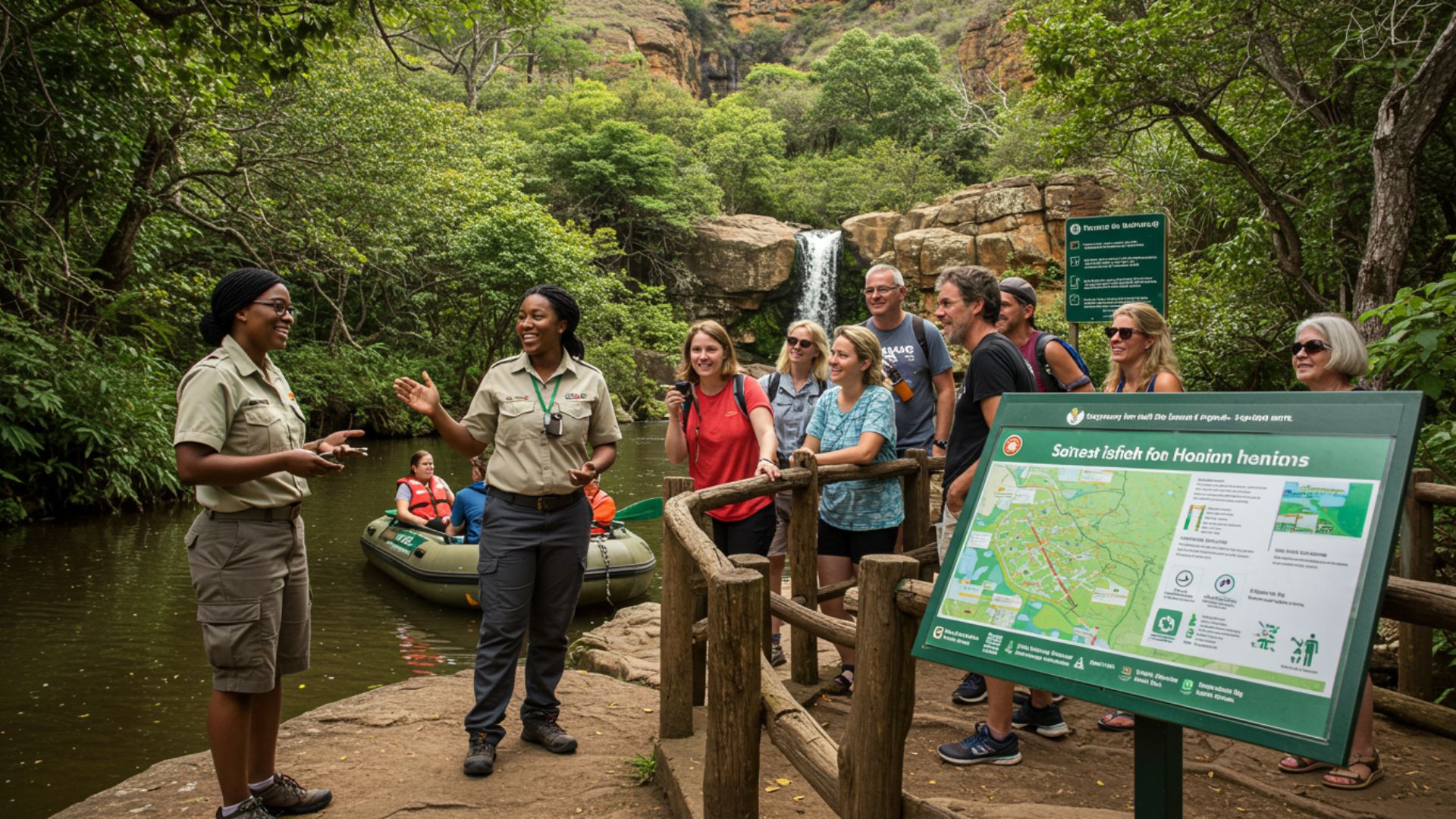
Safari adventures rank among South Africa’s most memorable experiences, but they demand strict adherence to park rules and guide instructions. Always remain inside the vehicle unless your guide indicates it is safe to disembark. Predators such as lions, leopards, and hyenas are accustomed to outfitted vehicles but treat unsuspecting humans as potential prey. Observe a respectful distance, avoid sudden movements or loud noises, and never attempt to feed or provoke animals.
In malaria-risk areas like the Lowveld and northern KwaZulu-Natal, take prophylactic medication as prescribed by your healthcare provider. Use insect repellent, wear long-sleeved shirts and trousers at dawn and dusk, and inspect yourself for ticks after bush walks. Inform your guide of any medical conditions, and carry essential medications in your daypack for remote excursions where access to pharmacies may be limited.
Health Precautions and Medical Facilities
South Africa boasts high-quality medical facilities in major cities, but rural clinics may have limited resources. Purchase comprehensive travel insurance covering medical evacuation and emergency repatriation. Pack a travel health kit with essentials—antiseptic wipes, adhesive bandages, pain relievers, anti-diarrheal medication, and any prescription drugs you require. Keep prescriptions in their original packaging and carry a doctor’s note if necessary.
Tap water in urban areas is generally safe to drink, though you may prefer bottled water in remote regions. If you plan to hike or camp, use portable water purifiers or iodine tablets. Be aware of heat-related risks—South African summers can be intense—so hydrate frequently, rest during peak sun hours, and monitor for signs of heat exhaustion or dehydration.
Transportation and Getting Around
Domestic Flights and Rail Options
With vast distances between major attractions, domestic flights are often the fastest way to traverse the country. Airlines like South African Airways, FlySafair, and Cemair connect Johannesburg, Cape Town, Durban, Port Elizabeth, and smaller regional airports. Book flights early—especially during holiday seasons—to secure the best fares and seat selections. Allow at least two hours between connections to accommodate potential delays.
Rail travel offers a scenic alternative, notably the luxury Blue Train and Rovos Rail, which run between Pretoria, Cape Town, and occasionally Durban. While premium rail journeys deliver an unforgettable nostalgic experience, they come at a higher price point and slower pace. For a budget option, the Shosholoza Meyl overnight trains provide basic sleeper berths but require patience and flexibility due to infrequent schedules and potential timetable changes.
Renting a Car and Driving Tips
Self-driving is a popular choice for visitors seeking flexibility. South Africa drives on the left-hand side, and major highways are generally in good condition. Rent vehicles from reputable agencies (Avis, Hertz, Bidvest), and always confirm that insurance covers gravel roads if you plan to explore national parks or remote areas. Fill up at major service stations—petrol stations can be sparse in rural provinces.
Exercise caution when driving after dark: wildlife (especially antelope) can wander onto roads, and poorly lit sections pose hazards. Avoid isolated dirt roads unless you have experience with 4×4 vehicles. In urban centers, be wary of potholes and erratic local drivers. Use dedicated parking facilities, and never leave valuables visible in parked cars. Keeping doors locked and windows up enhances safety when driving through unfamiliar neighborhoods.
Public Transport and Ride-Hailing Services
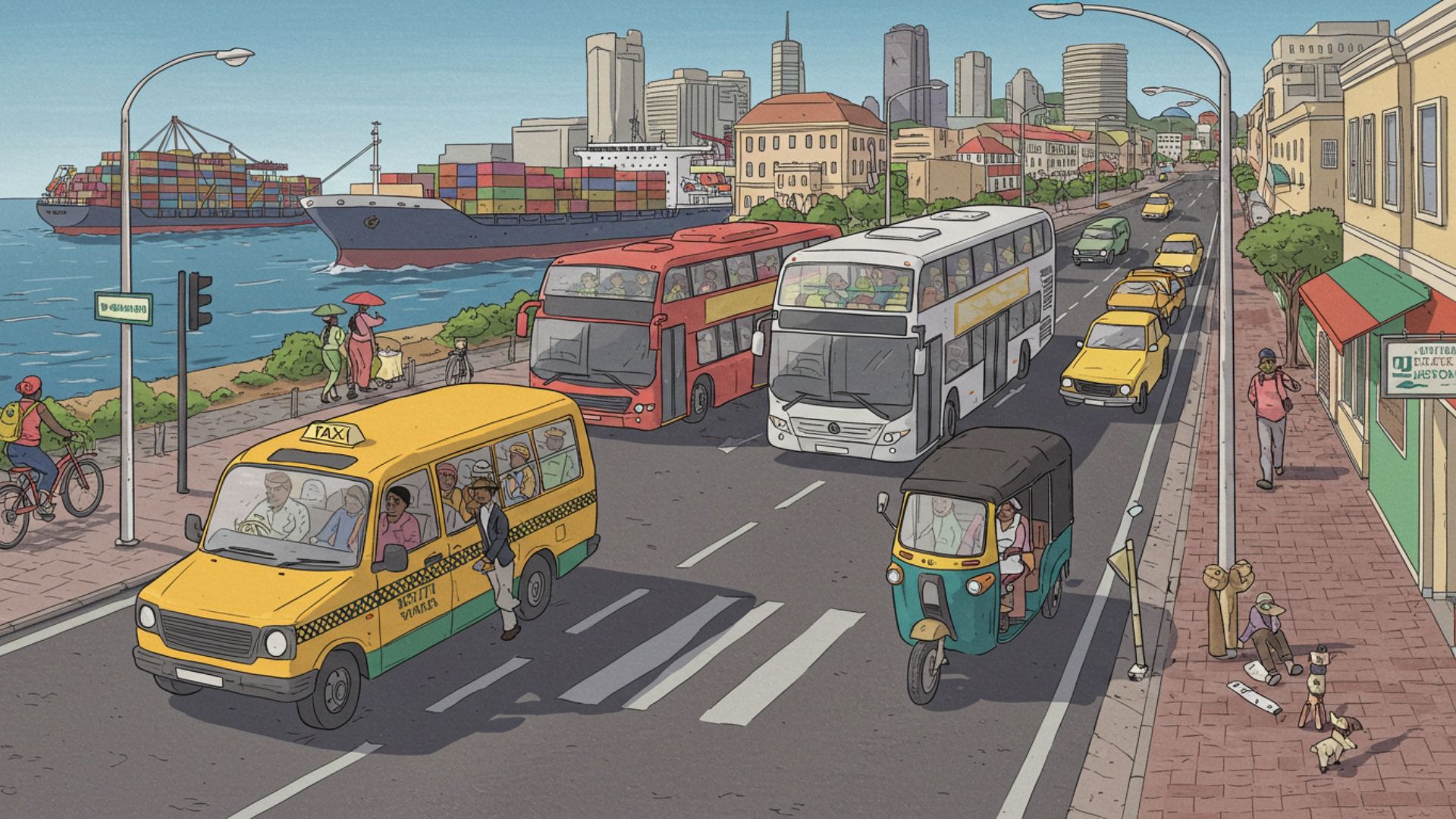
In major cities, reliable ride-hailing apps (Bolt, Uber) provide safe and convenient transport at reasonable rates. Always verify the vehicle’s license plate, driver name, and photo before boarding. For short trips, metered taxis are available at taxi ranks, but confirm that the meter is running or negotiate a flat rate upfront. Avoid unlicensed taxis or minibus taxis (“taxis”) that may be overcrowded and less regulated.
City buses and commuter rail services such as Gautrain (in Gauteng province) and MyCiTi (in Cape Town) offer affordable transit options. The Gautrain connects Johannesburg, Pretoria, and OR Tambo International Airport with punctual schedules and air-conditioned comfort. Purchase reloadable smart cards for ease of use, and familiarize yourself with peak-hour crowds to time your journeys effectively.
Must-See Destinations and Experiences
Cape Town and the Cape Winelands
Cape Town captivates with its iconic Table Mountain backdrop, historic Robben Island heritage, and vibrant waterfront precinct. Ride the aerial cableway to the summit of Table Mountain for panoramic views, then descend to explore the bohemian streets of Bo-Kaap and sample Malay-influenced cuisine. Don’t miss a ferry trip to Robben Island, where Nelson Mandela was imprisoned—guided tours provide profound historical context.
Just a short drive away, the Cape Winelands—Stellenbosch, Franschhoek, and Paarl—offer world-class wine, gourmet dining, and charming Cape Dutch architecture. Join a guided wine tram or self-drive the scenic wine routes, stopping at boutique estates for tastings. Many estates provide cellar tours and artisanal chocolate pairings, making the Winelands an ideal day-trip or overnight escape from the city.
The Garden Route and Eastern Cape Coast
The Garden Route stretches from Mossel Bay to Storms River, weaving coastal panoramas, indigenous forests, and wildlife sanctuaries into a single highway. Highlights include the lagoon town of Knysna—famous for oysters—Tsitsikamma National Park’s suspension bridges and canopy tours, and Plettenberg Bay’s marine reserves, where you can spot dolphins, seals, and migrating whales (June–November).
Further east, the Sunshine Coast of the Eastern Cape offers unspoiled beaches, shark-cage diving in Gansbaai, and Big Five game reserves such as Addo Elephant National Park. Combining coastal relaxation with safari adventure, this region appeals to travelers seeking diverse ecosystems within short driving distances. Accommodation ranges from eco-lodges to luxury beach villas—book ahead during peak summer months.
Kruger National Park and Beyond
Kruger National Park stands as Africa’s premier safari destination, home to the Big Five—lion, leopard, elephant, rhinoceros, and buffalo—as well as hundreds of bird species. Choose between self-drive safaris (requiring early starts to catch the animals at dawn) and guided 4×4 game drives led by experienced rangers. Private lodges and camps within the park offer immersive bush experiences, including night drives and guided bush walks.
For a more intimate wildlife encounter, consider neighboring private reserves—Sabi Sand, Timbavati, and Manyeleti—where open-boundary policies allow animals to roam freely between properties. These reserves provide smaller guest-to-guide ratios, luxury tented camps, and specialized photographic safaris. Regardless of your choice, book accommodations well in advance, especially during South Africa’s winter season when demand peaks for optimal game viewing.
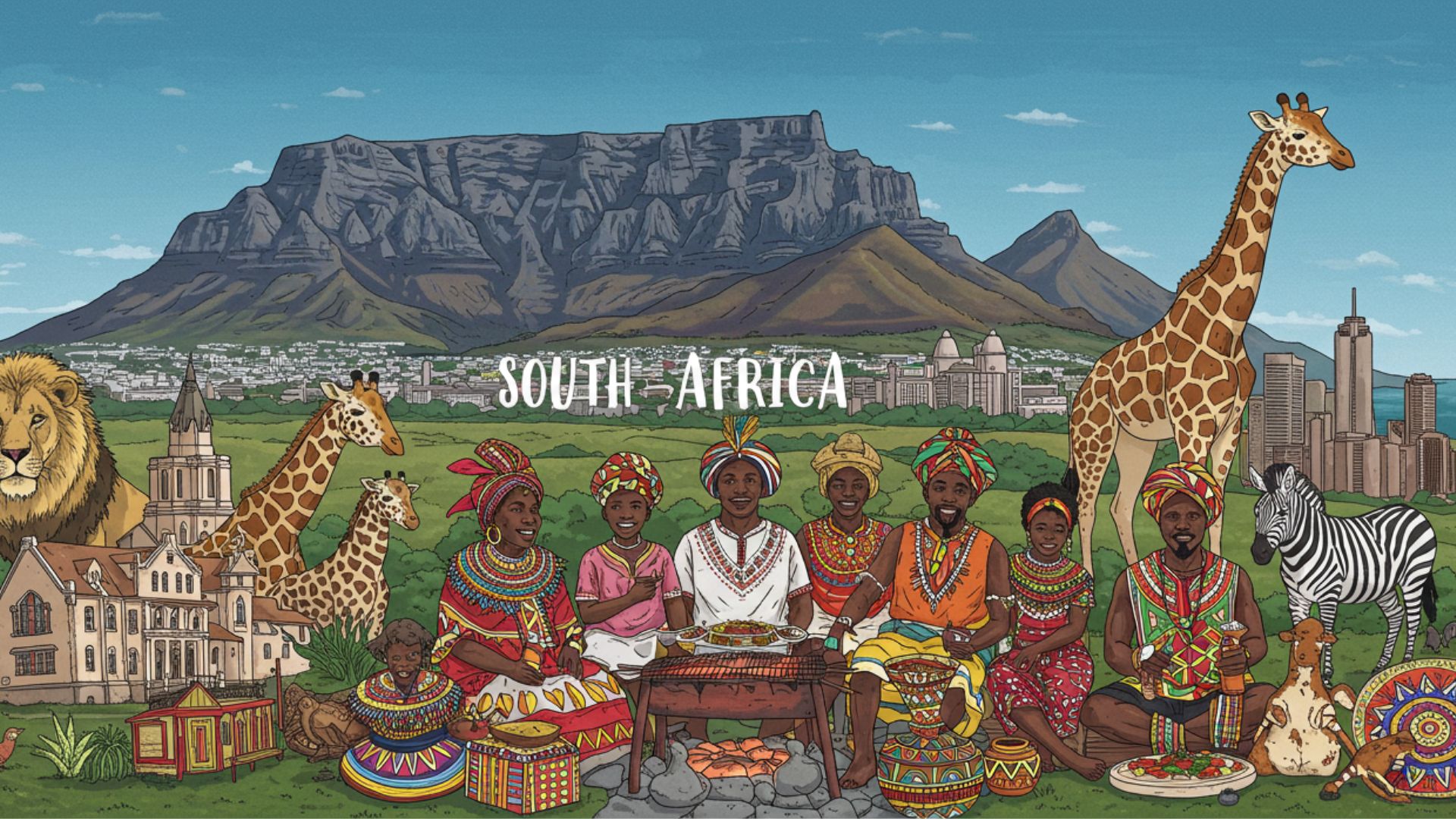
Essential Tips For First Time Tourists In South Africa
Gerald Ferreira
Sharing authentic stories and expert insights from the heart of South Africa's tourism landscape.
More From South Africa

Stargazing Pods to Forest Baths: Unique Wellness Escapes in South Africa
A Glimpse into Restorative Journeys Beyond Conventional Travel Across South Africa, the landscape of wellness travel is transforming into a...
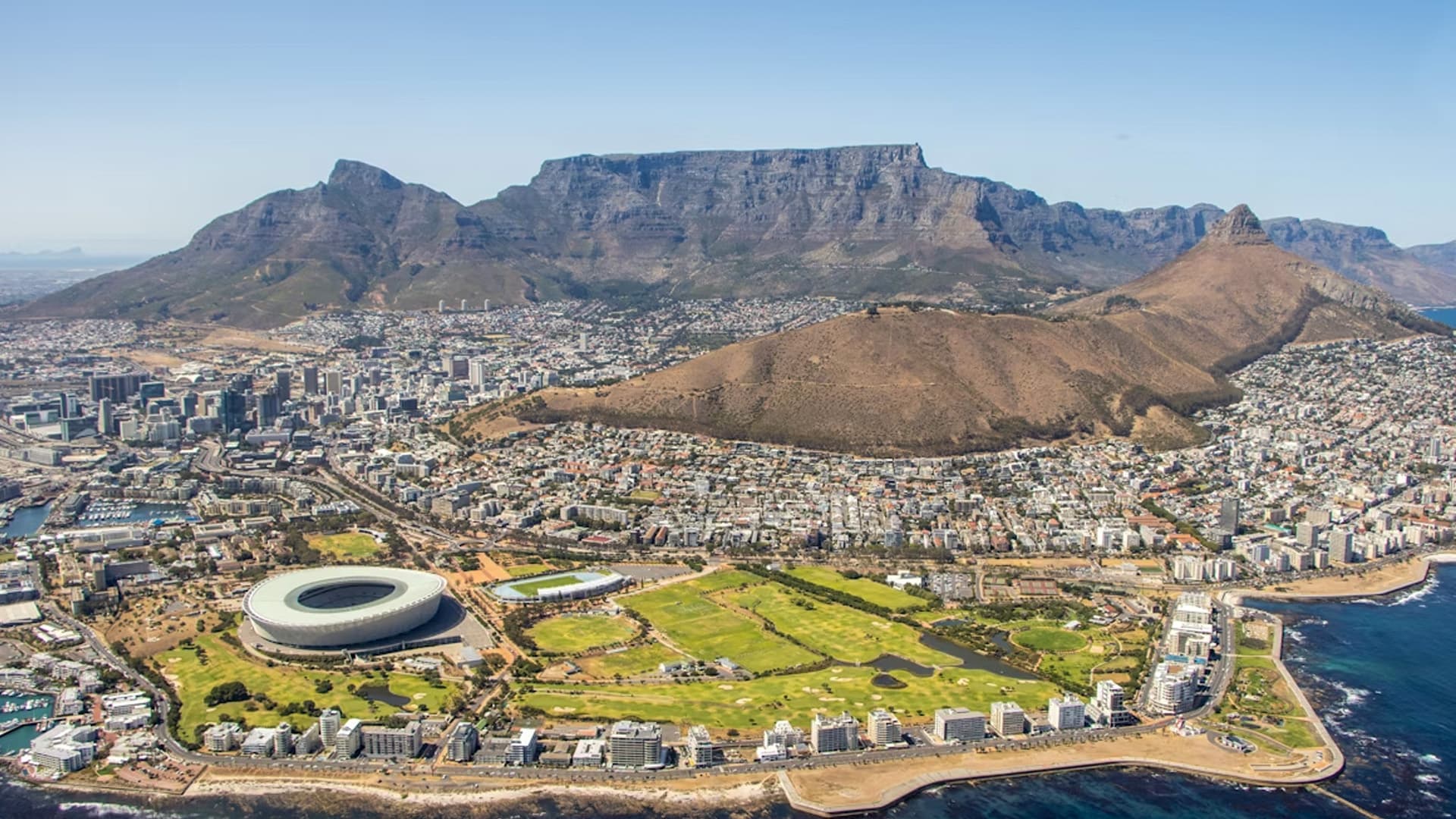
Cape Town Day Tours You Can’t Miss in 2025
A 2025 Field Guide to Cape Town’s Most Essential Day Trips Some cities ask to be strolled; Cape Town asks to be circumnavigated, climbed, ferried...
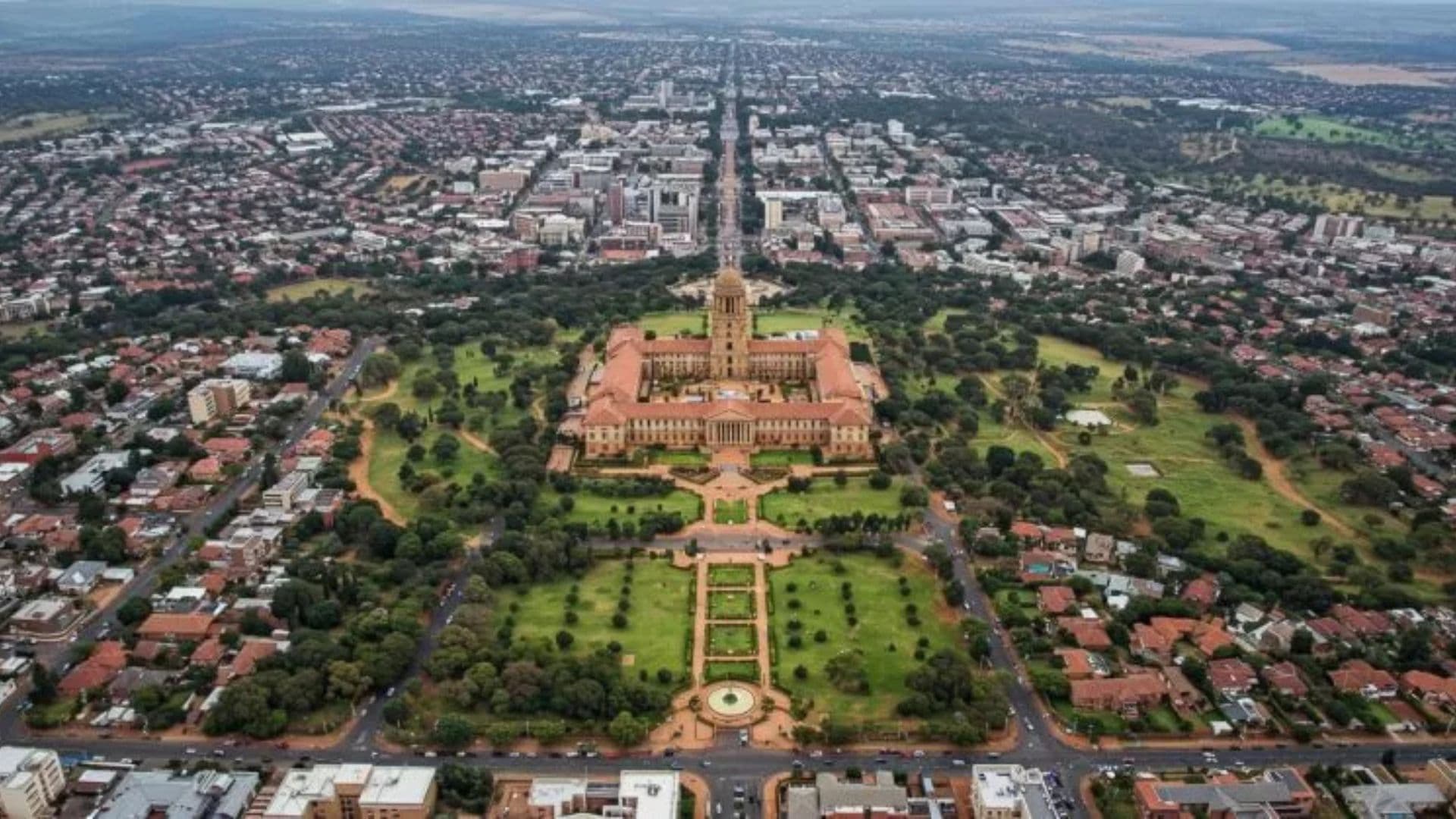
Urban Explorations: Uncovering the Hidden Charms of South African Cities
Discovering the Soul of Urban South Africa Imagine wandering through winding alleyways, where centuries-old architecture stands side by side with...
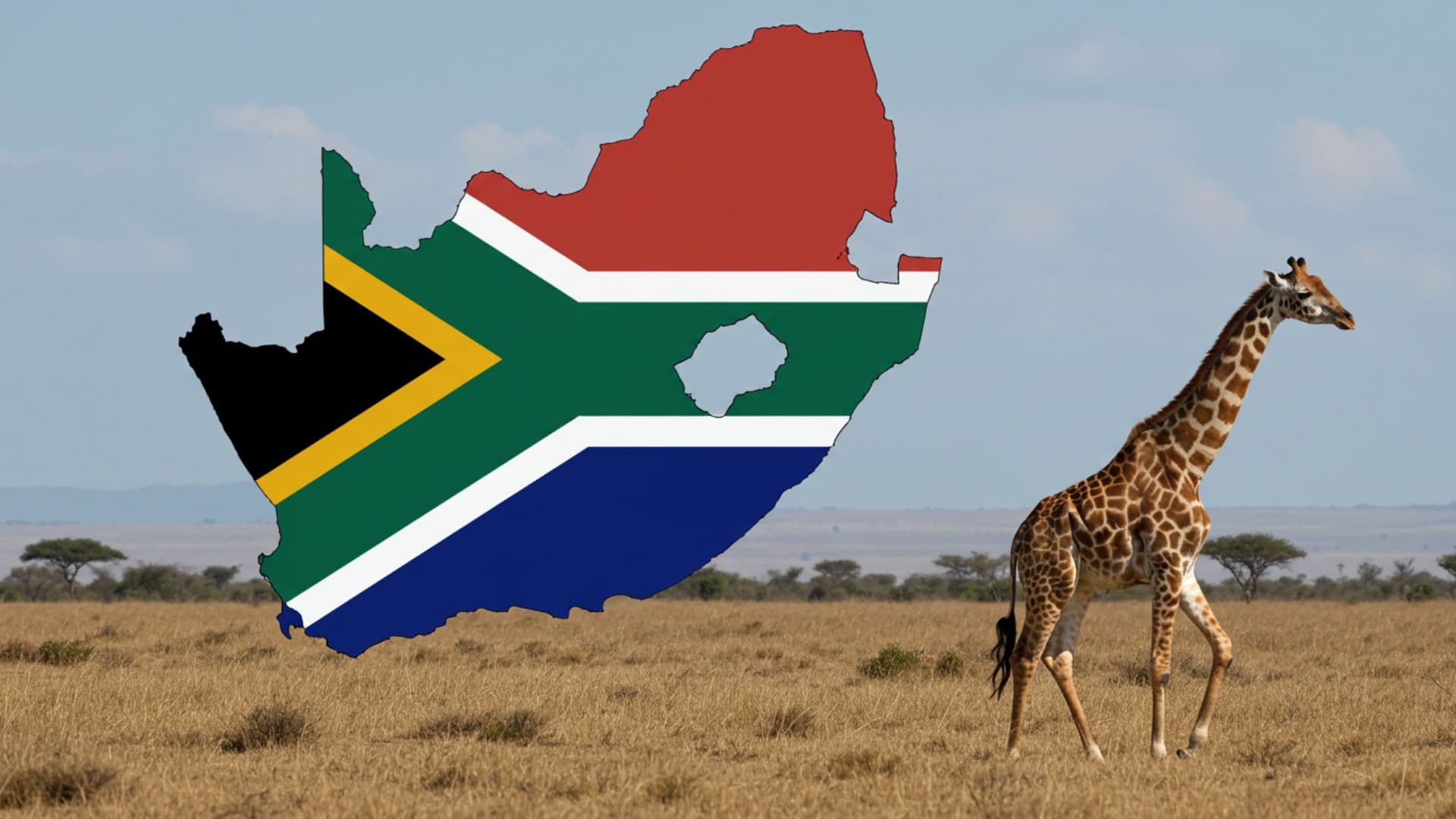
Discovering South Africa
Experience the Vibrant Tapestry of Luxury, Flavor, and Scenic Beauty South Africa unfolds as a realm where modern sophistication meets timeless...
Sustainable and Responsible Tourism
Embracing Eco-Friendly Lodges and Ethical Wildlife Conservation Tours in South Africa Imagine waking up to the sounds of the African wilderness...
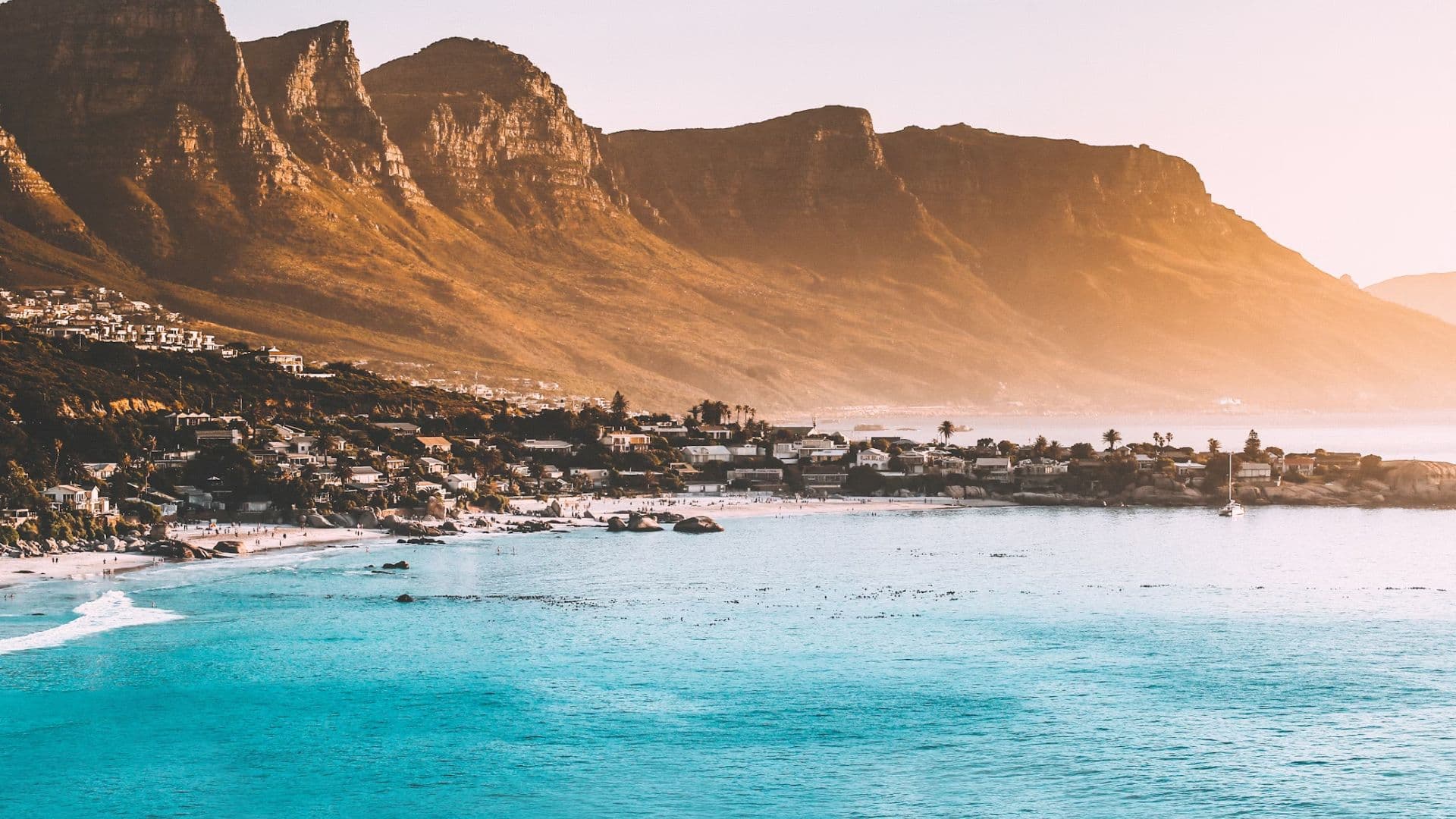
Ultimate Guide to Touring South Africa: Top Activities and Experiences
Discover the Wonders of South Africa with South African Tours South Africa, often referred to as the "Rainbow Nation," offers a rich tapestry of...