
Stargazing Pods to Forest Baths: Unique Wellness Escapes in South Africa
A Glimpse into Restorative Journeys Beyond Conventional Travel Across South Africa, the landscape of wellness travel is transforming into a...
A Glimpse into Restorative Journeys Beyond Conventional Travel
Across South Africa, the landscape of wellness travel is transforming into a tapestry of sleep retreats, mindfulness tours, and bespoke wellness packages that transcend conventional getaways. Imagine nights in translucent stargazing pods where every constellation becomes your ceiling, or mornings immersed in forest baths where silence feels like a tangible cloak. These experiences aren’t merely vacations—they are recalibrations of body, mind, and rhythm, orchestrated by nature and culture alike. Travelers are seeking deeper connections, spaces where circadian rhythms align with sunrises and where breathwork is guided by ocean tides. In this article, we navigate through immersive stories, practical insights, and transformative offerings redefining wellness tourism in South Africa, illustrating how sleep and mindfulness are no longer luxuries but imperatives woven into travel’s very fabric.
Wellness Tour Packages: From Yoga Retreats to Spa-Vineyard Stays
Yoga by the Vineyards
Picture yourself practicing sun salutations at dawn, the backdrop of rolling vineyards stretching into golden horizons. In Stellenbosch and Franschhoek, wellness tour packages weave together yoga retreats with wine-country indulgence, creating a dichotomy of discipline and decadence. Guests spend mornings aligning body and breath, afternoons journaling among oak barrels, and evenings surrendering to gourmet yet nutrient-conscious meals. It is not about contradiction, but about the harmonics of vitality and pleasure, where wellness is fermented like fine wine, deepening with time.
These retreats often draw on the terroir itself, integrating grape-seed oils in massage therapy, herbal compresses made from vineyard flora, and mindfulness exercises that sync with seasonal cycles of harvest. The result is a sensorial journey that moves beyond physical poses. Attendees leave not merely with stronger cores but with refined palates for life’s tempo—learning that wellness need not reject indulgence but can, instead, choreograph it into ritual. It is the vineyard transformed into a living yoga mat.
Holistic Coastal Retreats
South Africa’s coastal wellness escapes turn the ocean into a therapist. Along the Garden Route, retreats integrate saltwater immersion, guided meditation on cliffside perches, and seafood-based nutrition plans that emphasize omega-rich sustenance. The rhythm of waves becomes metronome for mindfulness, while coastal breezes reoxygenate not only lungs but perspectives. Here, therapy is tidal—ebb and flow teaching lessons in surrender and resilience. Guests often describe the sensation as if the sea itself is exhaling their fatigue.
These coastal sanctuaries are more than spa add-ons; they orchestrate elemental choreography. Hydrotherapy pools mimic tidal pools, while sunrise yoga syncs with maritime bird calls. Meals are curated with kelp, mussels, and locally foraged herbs, aligning diets with marine ecosystems. The body absorbs nutrients while the psyche absorbs symbolism: life thrives on cycles, on depth, on flow. What begins as a vacation unravels as a re-immersion into nature’s ancient curriculum, delivered one crashing wave at a time.
Mountains as Sanctuaries
Retreats nestled in the Drakensberg or Cederberg Mountains offer a rugged spirituality that differs from the softness of coastal or vineyard escapes. These packages emphasize endurance, silence, and recalibration through altitude. Imagine guided hikes ending in cliffside meditation circles, or sound baths echoing against basalt walls. The mountains become resonant chambers where echoes remind participants of their smallness yet affirm their resilience. The high altitude itself becomes symbolic—a literal rising above the noise of everyday existence.
Wellness operators in these regions incorporate indigenous wisdom, referencing San rock art as allegories for resilience and cosmic balance. Participants engage in storytelling sessions by firelight, weaving myth with mindfulness, folklore with breathwork. The juxtaposition of primal terrain with refined practices elevates the experience. Guests do not merely climb mountains; they ascend into psychological vantage points, realizing wellness is not escape but altitude—the ability to perceive life from broader horizons, recalibrating both body and metaphor.
Stargazing Pods and Sleep Retreats
Sleep as Medicine
Sleep tourism has evolved into a frontier of wellness, and South Africa is embracing the trend with ingenuity. Stargazing pods in the Karoo or Namibian fringes transform nocturnal rest into celestial theatre. The concept: sleep not in blackout rooms but beneath galaxies, where circadian rhythms realign with cosmic choreography. Neuroscientists collaborating with hospitality curators design these pods with sound insulation, ergonomic bedding, and subtle aromatherapy, ensuring that guests experience restorative cycles unbroken by modern interruptions.
Unlike traditional hotels where sleep is incidental, these retreats position it as the main act. Programs integrate sleep-coaching workshops, wearable biometric tracking, and pre-sleep rituals combining herbal infusions and guided breathing. For many, the experience is akin to hitting a psychological reset button, a recalibration that leaves them measuring value not by activities completed but by dreams remembered. Sleep, once stolen by urban stress, becomes a protagonist in wellness narratives—an unglamorous yet powerful currency of renewal.
Technology Meets Tranquility
Modern sleep retreats are not anti-technology but rather selective adopters. Smart pods integrate circadian lighting systems that mimic twilight and dawn, soundscapes that respond dynamically to brainwave states, and mattresses embedded with micro-climate controls. The paradox is intentional: high technology enabling primal rest. Guests often marvel at the irony—needing advanced engineering to recreate simplicity. But in an age where screens colonize attention, curated tech becomes ally rather than adversary, guiding the nervous system back toward equilibrium.
These innovations are not gimmicks; they are underpinned by neuroscience. By aligning melatonin release with programmed lighting and reducing sympathetic nervous activation through sound modulation, retreats turn science into sanctuary. The experience is both empirical and poetic, balancing data with dreams. Attendees depart with more than rest—they carry evidence of improved REM cycles, quantifiable restoration. It reframes wellness as both measurable and mystical, bridging gaps between laboratory precision and ancient longing for uninterrupted slumber beneath the stars.
Narratives of Renewal
One traveler recounts awakening in a glass pod surrounded by desert silence, recalling not the day’s itinerary but the clarity of dreams where anxieties dissolved into starlight. These anecdotal testimonials reveal that sleep retreats are less about sleep per se and more about narrative resets. Guests leave with altered metaphors—rest as rebellion, dreaming as detoxification. Sleep ceases to be passive; it becomes participatory, a story written nightly in brainwaves and remembered as daylight clarity.
Storytelling is, in fact, central to these retreats. Facilitators often encourage journaling upon waking, integrating subconscious insights into conscious decisions. This narrative integration transforms what could be dismissed as indulgent rest into actionable clarity. A guest who entered burnt out may leave not only replenished but with recalibrated priorities, realizing that ambition without rest is like stargazing with closed eyes: technically possible, but utterly devoid of wonder. Sleep, here, becomes metaphor as much as medicine.

Mindfulness Tours and Forest Bathing
Immersive Silence
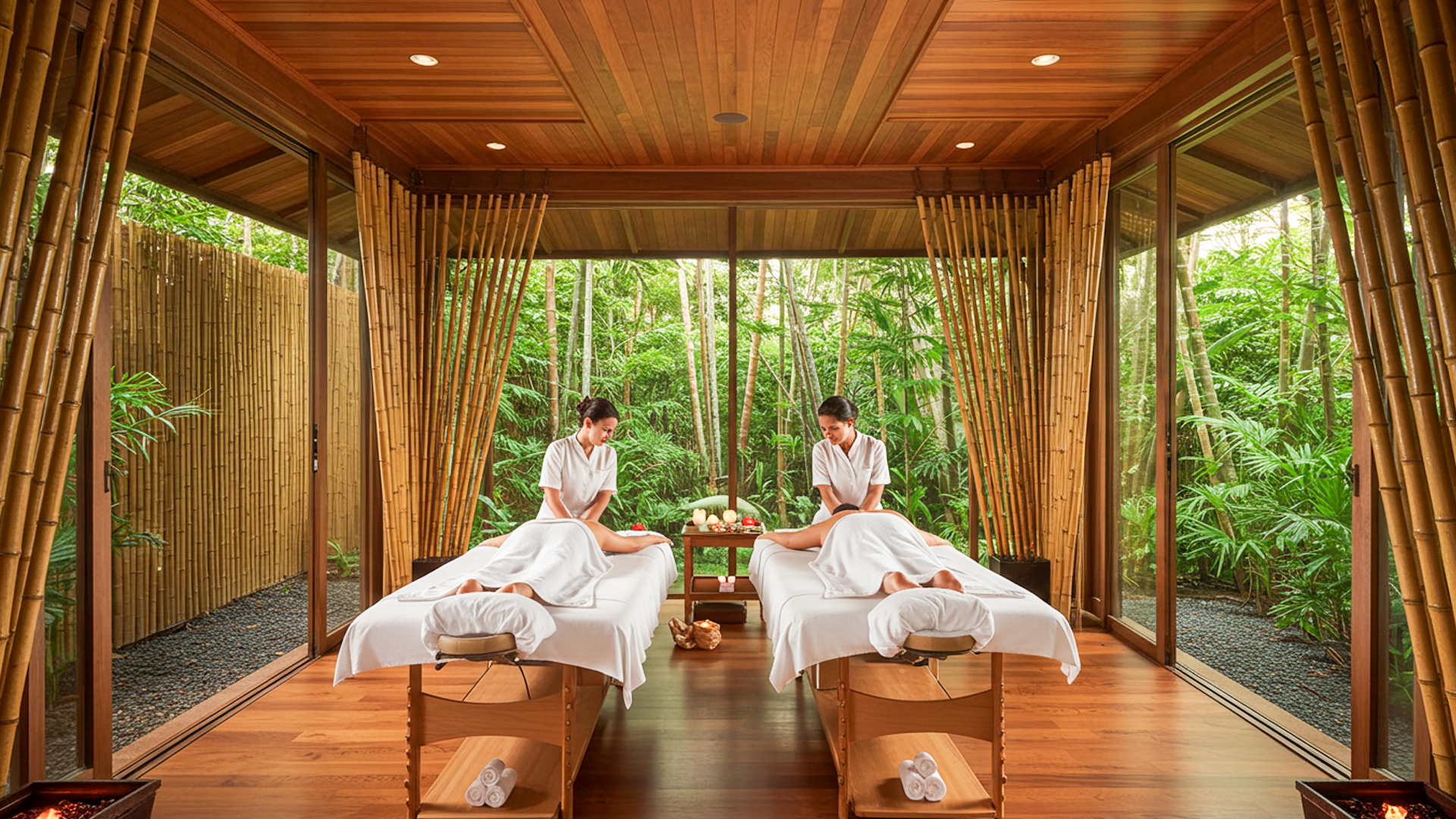
South Africa’s forests, from Knysna’s ancient Outeniqua yellowwoods to Tsitsikamma’s tangled canopies, offer the perfect theatre for shinrin-yoku—forest bathing. Guests wander slowly, often barefoot, instructed to inhale terpene-rich air and attune to micro-sounds: rustling leaves, distant bird calls, the creak of ancient branches. This deliberate silence functions as counterweight to urban overstimulation. By engaging sensory subtleties, participants recalibrate not through effort but through attention, discovering that silence is not absence but a saturated presence.
These tours often incorporate breathwork and gentle stretching, transforming walking into a multisensory meditation. Facilitators emphasize metaphors: roots as grounding, branches as aspirations, sunlight as clarity filtering through confusion. In this way, mindfulness becomes ecological; the forest is no longer backdrop but mentor. Many participants describe breakthroughs not in words but in sensations—realizing that clarity is not found in thinking harder but in listening deeper, to both nature and self. The forest, in essence, becomes therapist.
Cultural Integration
Mindfulness tours in South Africa also honor indigenous traditions, integrating storytelling, drumming, and herbal rituals. Xhosa and Zulu healers may guide ceremonies that blend mindfulness with ancestral reverence, reminding participants that wellness is not just personal but communal. Unlike imported mindfulness practices often stripped of context, these experiences embed individuals in cultural continuity. To be mindful here is not only to breathe but to breathe within a lineage, grounding meditation in heritage and collective rhythm.
The result is a layered experience—an interweaving of silence, sound, and story. A forest bath becomes a cultural immersion, where stillness is punctuated by rhythmic drumming that echoes heartbeat patterns, reminding participants of shared humanity. This cultural anchoring amplifies mindfulness, making it not just internal regulation but external connection. Travelers depart not merely with calmer nervous systems but with deeper appreciation for the human ecosystems that have always practiced wellness as communal survival, long before it became tourism trend.
Urban Mindfulness Trails
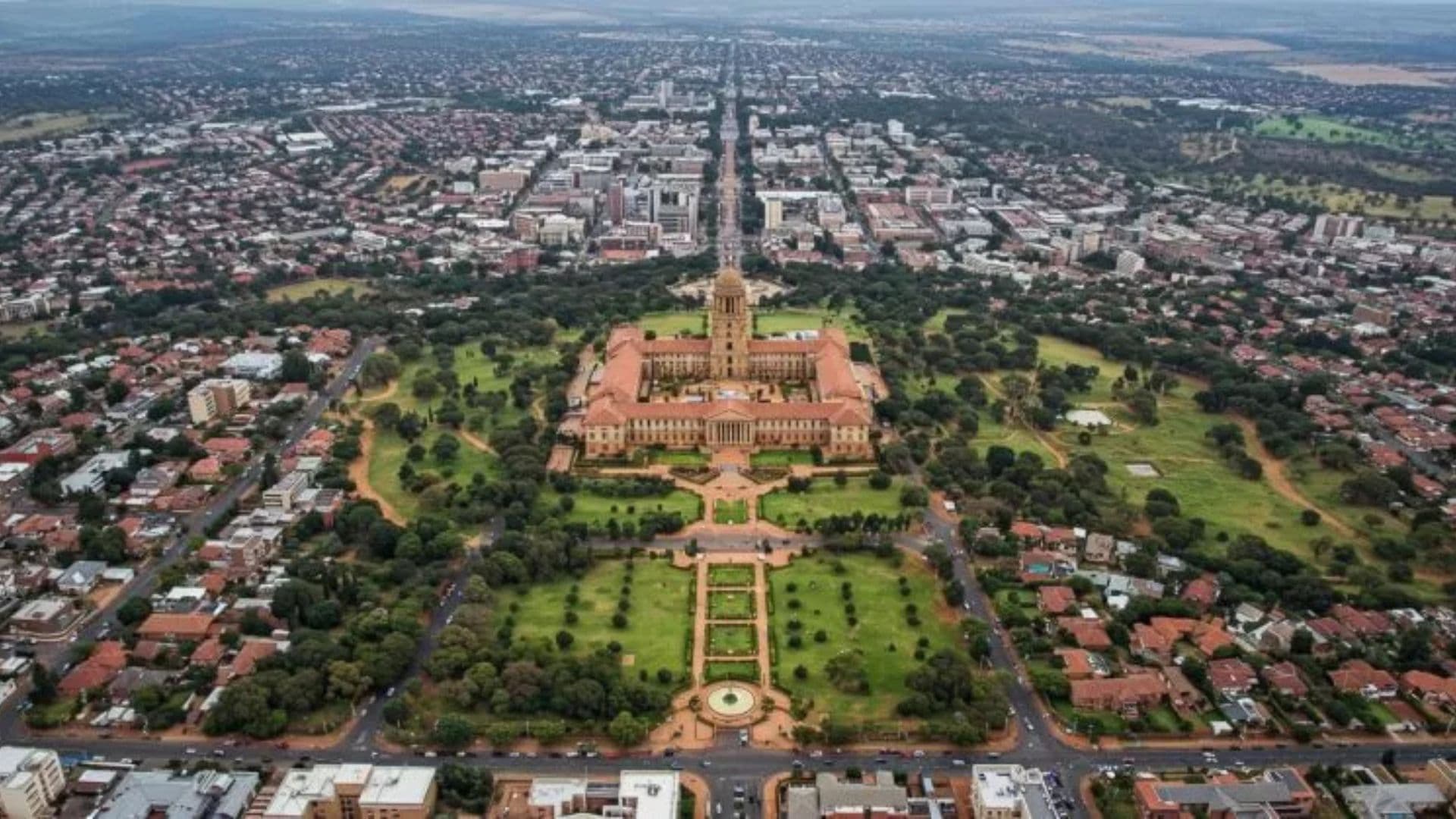
Even in cities like Cape Town and Johannesburg, mindfulness tourism manifests through curated walking tours that encourage slowness in fast-paced environments. Urban mindfulness trails guide participants through botanical gardens, historic neighborhoods, and even bustling markets, reframing chaos as canvas for awareness. Rather than escaping the city, these tours invite participants to perceive it differently: traffic as rhythm, architecture as meditation, graffiti as modern hieroglyphs. The ordinary becomes extraordinary when framed through mindful attention.
These trails often conclude with collective reflections, where participants share what they noticed anew. Someone may remark on the fragrance of pavement after rain, another on the geometry of skyscrapers mirrored in puddles. The exercise is not escapism but transformation of perception, proving that mindfulness is portable. It is not confined to forests or mountains but can flourish even amid honking taxis. In this democratization, mindfulness ceases to be niche retreat practice and becomes everyday urban literacy.

How Sleep-Focused Vacations Are Reshaping Travel
From Itineraries to Intervals
Traditional vacations emphasize doing: sights seen, activities ticked off, itineraries conquered. Sleep-focused vacations invert this metric, prioritizing intervals of restoration. In South Africa, safari lodges and boutique guesthouses are experimenting with programs where the highlight is napping beneath acacia trees or scheduling daily siestas. It is an inversion of productivity logic, teaching that restoration itself is an achievement. Travelers who once bragged about itineraries now compare quality of dreams—a paradigm shift from external validation to internal recalibration.
By designing spaces where doing less is celebrated, sleep-focused vacations challenge cultural narratives of constant output. They position rest as activism against burnout economies, making slowness aspirational rather than shameful. For the overworked professional, this reframing is radical: that success can be measured not by emails cleared but by cortisol levels reduced. The destination becomes secondary; the true souvenir is the memory of waking up unhurried, as though time itself has stretched to accommodate recovery.
Economic Ripples
This evolution of wellness tourism is not only psychological but economic. Sleep-focused travel generates demand for specialized architecture, from blackout-blind eco-cabins to biophilic lodges where light and acoustics are engineered around circadian biology. It incentivizes hospitality training in sleep science, encouraging hotels to hire consultants versed in chronobiology alongside chefs and therapists. South Africa, with its diverse geography and emerging wellness market, is positioning itself as a continental leader in this niche economy of rest.
The ripple extends into local supply chains. Herbal tea growers, soundscape artists, and bedding manufacturers find themselves integrated into tourism ecosystems. Villages near wellness lodges may pivot economies around cultivating lavender or rooibos for sleep-inducing infusions. What emerges is a multi-sectoral ecosystem where rest is not passive but productive, a generator of jobs and creativity. Sleep-focused vacations prove that rest is not antithetical to growth; it is fertile ground for sustainable economic innovation.
The Future of Travel Rhythms
Looking ahead, sleep-centric travel may redefine not just vacations but broader tourism rhythms. Airlines experimenting with circadian-friendly cabin lighting hint at integration across the travel chain. Imagine tours where flight, transfer, and lodging are choreographed into seamless cycles of exertion and restoration, transforming travel from exhausting disruption into therapeutic continuum. South Africa, with its long-haul appeal for international visitors, could pioneer itineraries where jet lag is not endured but orchestrated as part of the wellness narrative.
In such futures, the very concept of vacation may blur with healthcare. Insurance companies might subsidize sleep retreats as preventative medicine, while corporate wellness programs could replace team-building with collective stargazing. For travelers, this means that booking a trip is no longer indulgence but strategy—an intentional alignment of health, productivity, and joy. Sleep vacations thus stand not at travel’s margins but at its next frontier, shifting the tempo of exploration from frenetic acceleration to mindful cadence.

How Sleep Focused Vacations Are Reshaping Travel
Elisha Roodt
Sharing authentic stories and expert insights from the heart of South Africa's tourism landscape.
More From South Africa

Cape Town Day Tours You Can’t Miss in 2025
A 2025 Field Guide to Cape Town’s Most Essential Day Trips Some cities ask to be strolled; Cape Town asks to be circumnavigated, climbed, ferried...

Essential Tips for First-Time Tourists in South Africa
Your Complete Guide to a Safe, Stunning, and Unforgettable Adventure South Africa offers an extraordinary blend of vibrant cultures, breathtaking...
Urban Explorations: Uncovering the Hidden Charms of South African Cities
Discovering the Soul of Urban South Africa Imagine wandering through winding alleyways, where centuries-old architecture stands side by side with...
Discovering South Africa
Experience the Vibrant Tapestry of Luxury, Flavor, and Scenic Beauty South Africa unfolds as a realm where modern sophistication meets timeless...

Sustainable and Responsible Tourism
Embracing Eco-Friendly Lodges and Ethical Wildlife Conservation Tours in South Africa Imagine waking up to the sounds of the African wilderness...

Ultimate Guide to Touring South Africa: Top Activities and Experiences
Discover the Wonders of South Africa with South African Tours South Africa, often referred to as the "Rainbow Nation," offers a rich tapestry of...