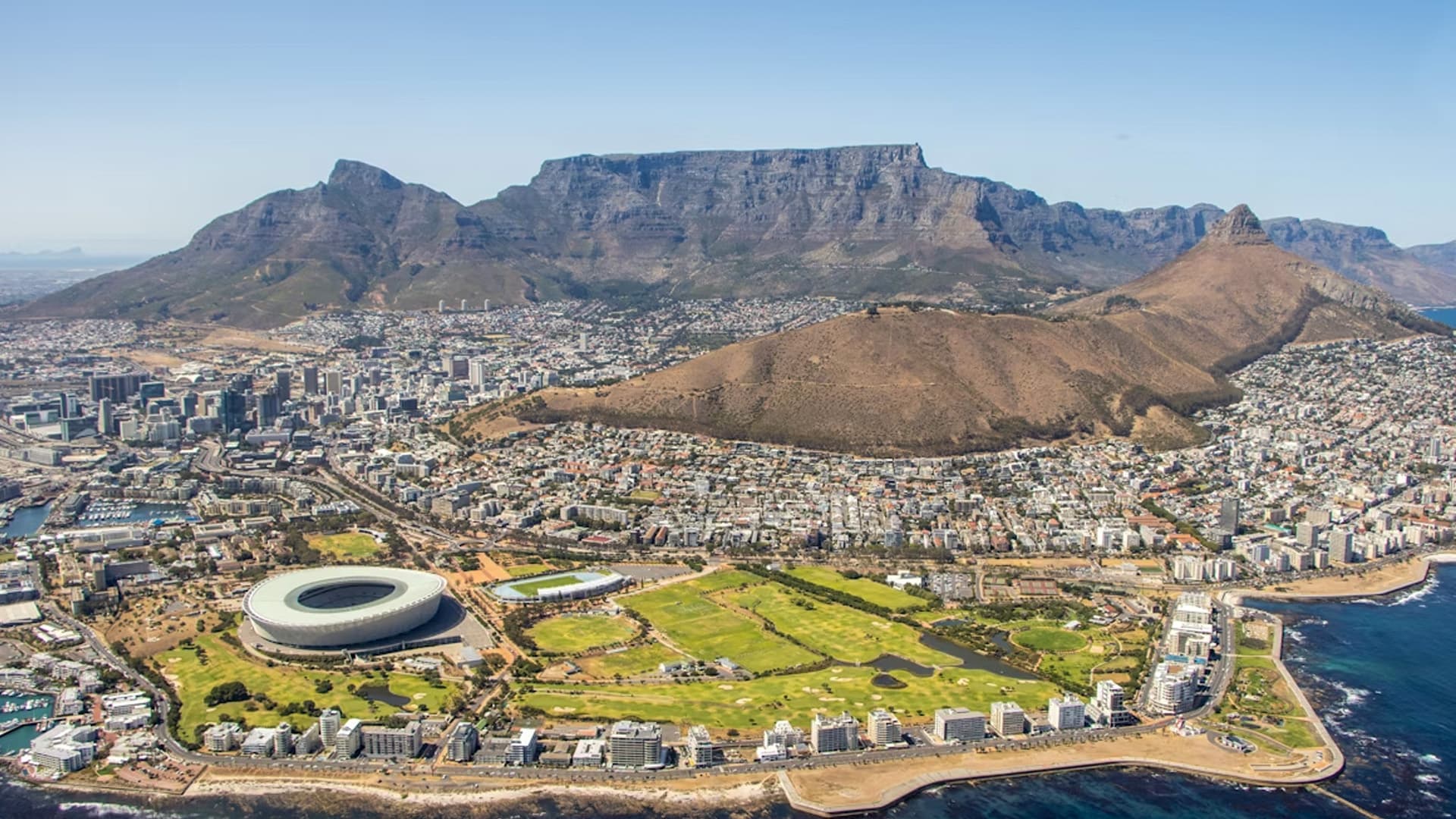
Cape Town Day Tours You Can’t Miss in 2025
A 2025 Field Guide to Cape Town’s Most Essential Day Trips Some cities ask to be strolled; Cape Town asks to be circumnavigated, climbed, ferried...
A 2025 Field Guide to Cape Town’s Most Essential Day Trips
Some cities ask to be strolled; Cape Town asks to be circumnavigated, climbed, ferried, and listened to. In a single daylight cycle you can move from granite headlands to penguin rookeries, step inside a prison cell that shaped a nation, or ascend a living cliff where cloud pours like dry ice. Think of this guide as your operations manual for five archetypal day tours—Cape Peninsula, Robben Island, Table Mountain hikes, Seal Island boat runs, and township cultural immersions—tuned for 2025’s rhythms. We’ll blend logistics with story, analogies with checklists, so you can plot routes like an engineer and travel like a poet, without wasting minutes or missing meaning.
Cape Peninsula Circuit: From Atlantic Rollers to False Bay Calm
Route Anatomy and Timeboxing for a Perfect Loop
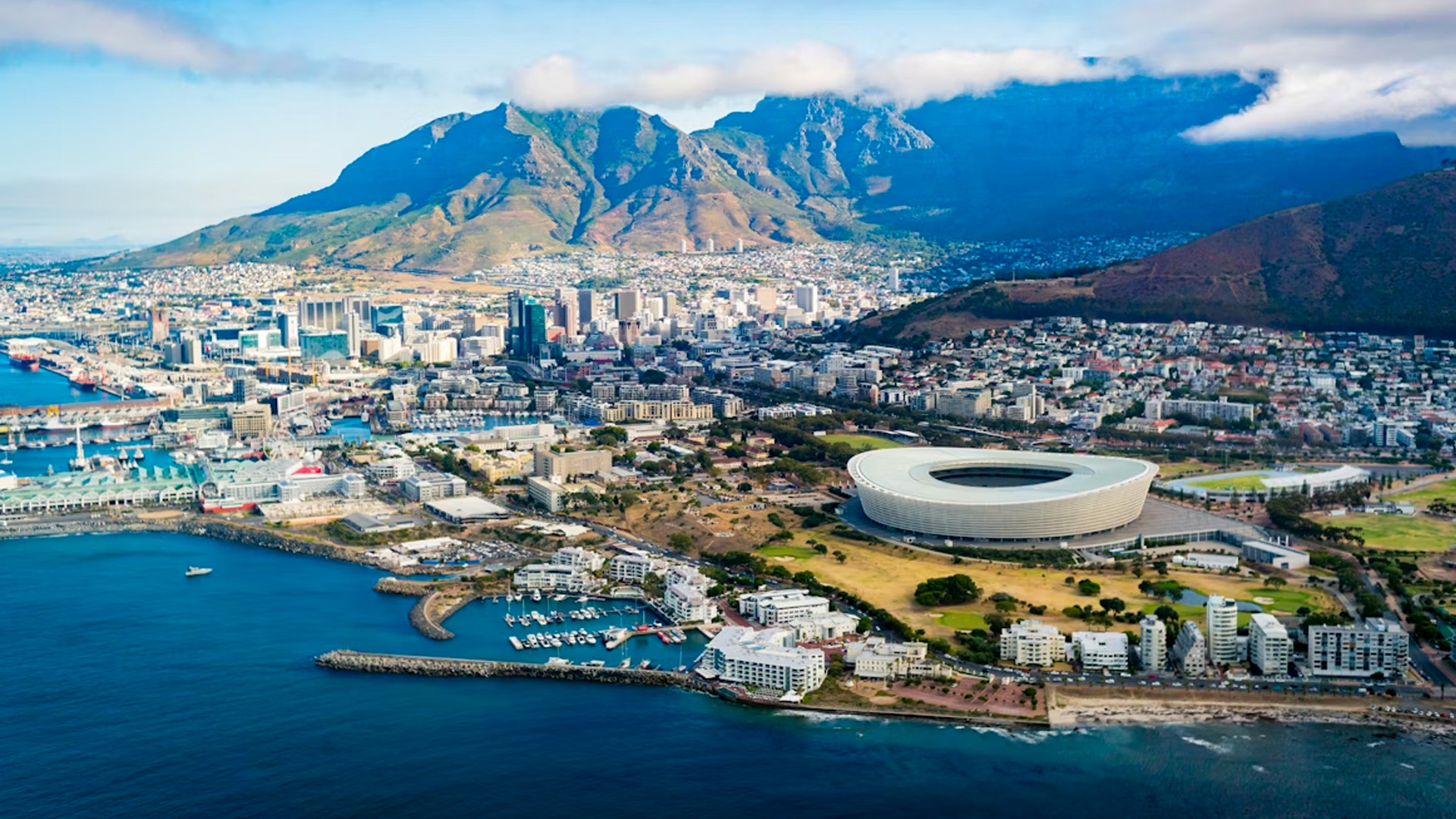
Picture the Peninsula loop as a precision circuit: City Bowl → Atlantic Seaboard → Hout Bay → Chapman’s Peak → Noordhoek → Cape Point → Simon’s Town → Muizenberg → back over the mountain. It’s roughly 150–180 kilometers depending on detours, which means timeboxing matters. Allocate blocks: early coastal light for Sea Point and Camps Bay; mid-morning through Hout Bay; midday for the Cape of Good Hope Reserve; late afternoon on the False Bay arc. By chunking the day into “mission phases” you defeat decision fatigue. Like a well-tuned pipeline, the loop flows best with fixed checkpoints, strict buffers for traffic or wind, and a bias toward earlier departures.
Real-world constraints can sabotage elegant plans, so treat contingencies as first-class citizens. Chapman’s Peak may close for maintenance or wind; a queue at the Cape Point gate can swell unexpectedly; baboons occasionally decide a road is theirs. Build a 15–20 minute buffer per segment and protect it. Eat when lines are short, not when you’re ravenous. Hydrate like a hiker even in a car—sun intensity is sneaky. A hypothetical driver, Tanaka, starts at 07:00, hits Hout Bay by 08:00, cruises Chappies by 08:20, and reaches Cape Point just before tour buses. She’s not lucky; she’s operating an itinerary that anticipates Cape Town’s stochastic variables.
Cape of Good Hope and Chapman’s Peak: Logistics, Vantage Points, Safety
Chapman’s Peak Drive is a carved cornice—an engineering ribbon stapled to cliffs that plunge into foam. The reward is cinematic: contoured turns, lay-bys with absurd vistas, and that sensation of hanging between granite and horizon. Stop brief and often; use the designated viewpoints rather than improvising. At Cape Point, treat viewpoints as nodes in a network: lighthouse, Dias Beach overlook, Cape of Good Hope sign—each with different crowd profiles. Footwear with grip turns slippery stairs into trivialities. Keep a wind layer handy; gusts can sprint from zero to punchy in seconds. Your goal is to optimize camera time without hemorrhaging minutes in queues.
Risk is mostly mundane—sun, wind, traffic—but nontrivial when stacked. Think of it as cumulative exposure. Park in visible zones; stow valuables out of sight; never feed animals; hold a respectful distance from waves and cliff edges. If Chapman's Peak is closed, the detour via Ou Kaapse Weg is not a failure state; it’s an alternate algorithm with inland fynbos panoramas and, often, less wind. At Cape Point, micro-hikes yield outsized returns: a ten-minute spur to a lesser-known lookout can feel like private ownership of the coastline. Allocate time based on marginal gain: five extra minutes at an empty lookout beats thirty at a crowded sign.
Seal Island and Boulders Beach: Marine Spectacle with Ethics
From Hout Bay, boats to Duiker (Seal) Island are short, briny sprints—tense little chapters where swell height and period write the plot. On calm days, the ocean is glossy ceramic; on energetic days, it becomes a metronome. Either way, the island is a kinetic carpet of Cape fur seals, their physics a lesson in hydrodynamics and sunbathing. Stand aft if you prefer less spray, forward if you want diamonds of seawater on your jacket. Bring a dry bag; your phone is not amphibious. The captain’s micro-briefing is gold—listen for wind direction, ride time, and wildlife behavior to position yourself intelligently for viewing.
Roll onward into False Bay for Boulders Beach, where African penguins commute through turquoise like tuxedoed commuters on an express line. The boardwalk system is designed for minimal disturbance; treat rails as sacred boundaries. Avoid flash; keep voices low; linger. The magic is in micro-behaviors: courtship calls, preening routines, torpedo entries. Remember that “cute” is also fragile, so follow staff guidance and keep snacks sealed—penguins are not lunch partners. If you’re tempted to descend onto a quiet patch of sand, verify it’s permitted. A good rule: if there’s a boardwalk, stick to it. Your respect becomes part of the habitat’s carrying capacity.
Robben Island: Testimony, Weather Windows, and Ferry Mechanics
Booking Horizons, Sea Conditions, and Motion Planning
Robben Island isn’t just a museum; it’s a logistics exercise braided with memory. Ferries depart from the V&A Waterfront on schedules that make sense until the wind says otherwise. In 2025, demand remains high in peak months, so book early but keep an agile mindset. Swell height matters more than gust numbers for comfort; a modest wind with long-period swell can still produce a corkscrew ride. If you’re motion-sensitive, choose a seat midship, fix eyes on the horizon, and let your vestibular system sync. Pack layers—open water adds chill—and budget a time buffer around your slot in case operations shift.
Arrive early not to queue, but to de-stress the handover: ticket check, boarding, seating. Think in checkpoints, not minutes. A hypothetical traveler, Amina, targets the first ferry, builds a 45-minute pre-departure cushion, and stashes a compact rain shell and cap. Her backup plan? If the island closes, she pivots to Zeitz MOCAA or Two Oceans Aquarium and rebooks. This option tree turns disappointment into substitution, not failure. Consider ear protection for kids; engine hums can be fatiguing. And remember batteries: phones and cameras deplete faster in wind and sun. Small power banks keep testimony capture from being throttled by a red bar.
On-Island Narrative: Former Prisoners, Cell Blocks, and Context
The island tour is a braid of physical spaces and lived experience, often guided in part by former political prisoners. That juxtaposition hits hard: a corridor of concrete, a voice recounting hunger strikes, a barred window with a square of sea. The bus segments sketch geography—quarry, village, leper cemetery—while the prison walk compresses time into rooms. Treat the experience as a seminar, not entertainment. Ask questions that seek understanding, not sensation. The guides’ cadence is deliberate; don’t rush their sentences with your next photo. If an anecdote halts your appetite for speech, let silence do its work. That’s the point.
Context multiplies meaning. Before you arrive, skim a concise history of the Rivonia Trial or the Freedom Charter; afterwards, cross-reference what you heard. This is not pedantry; it’s respect. If you’re traveling with teens, assign roles—one person notes dates, another records quotes, a third tracks place names—then share summaries on the ferry back. The exercise turns passive listening into a family research lab. Notice how small artifacts—the garden plot where Mandela hid manuscripts, chalk marks in a quarry—carry vast narrative load. Museums tell with curation; Robben Island tells with scar tissue, weather, and voice. You are there to witness carefully.
Photography, Ethics, and the Discipline of Attention
Ethical photography begins with consent and purpose. In carceral sites, the subject is the story, not your presence in it. Minimize selfies; maximize documentation of spaces and captions that add context later. Avoid blocking corridors for perfect symmetry; people are processing, not posing. If a guide shares a deeply personal memory, camera lids down. The discipline of attention—simply standing, listening, and not reaching for a lens—can be the most respectful act. Consider black-and-white processing later to emphasize texture over spectacle, but capture in color for flexibility. Metadata your images: room names, guide names, key terms. Archival thinking honors testimony.
Back on the mainland, debrief over coffee while memory traces are still fresh. Annotate your notes the way a developer writes comments: add why a moment mattered, not just what happened. If traveling in a small group, give each person two uninterrupted minutes to narrate their key takeaway. You’ll surface different layers—architecture, legal history, endurance, forgiveness—and weave a richer composite. The goal is not solemnity for its own sake; it’s to convert exposure into understanding and, ideally, into choices back home. Robben Island is a mirror with a ferry timetable. The crossing is literal, but the return journey continues.
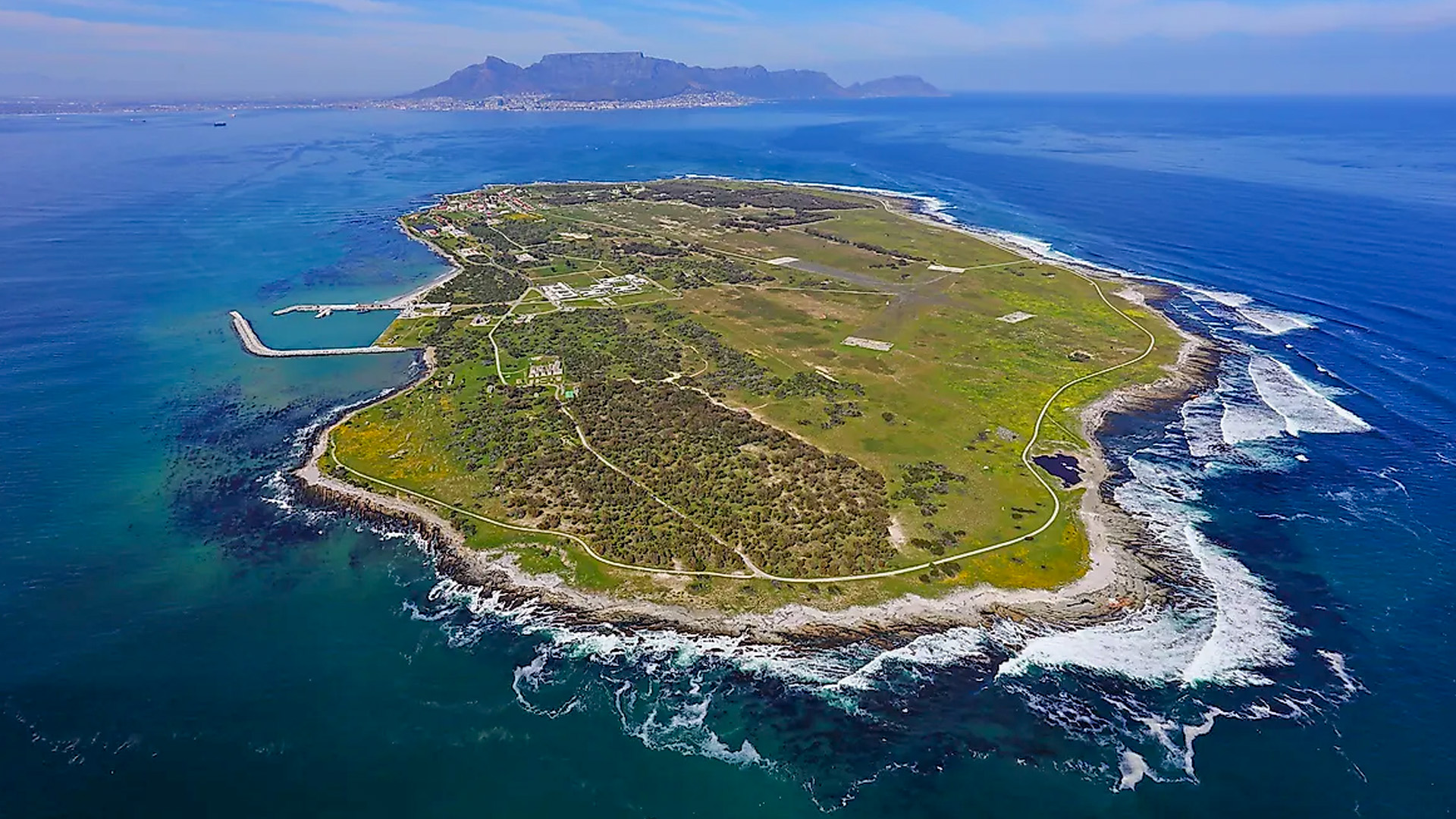
Table Mountain Hikes: Vertical Algorithms on a Living Cliff
Route Selection: Platteklip, Skeleton Gorge, and India Venster
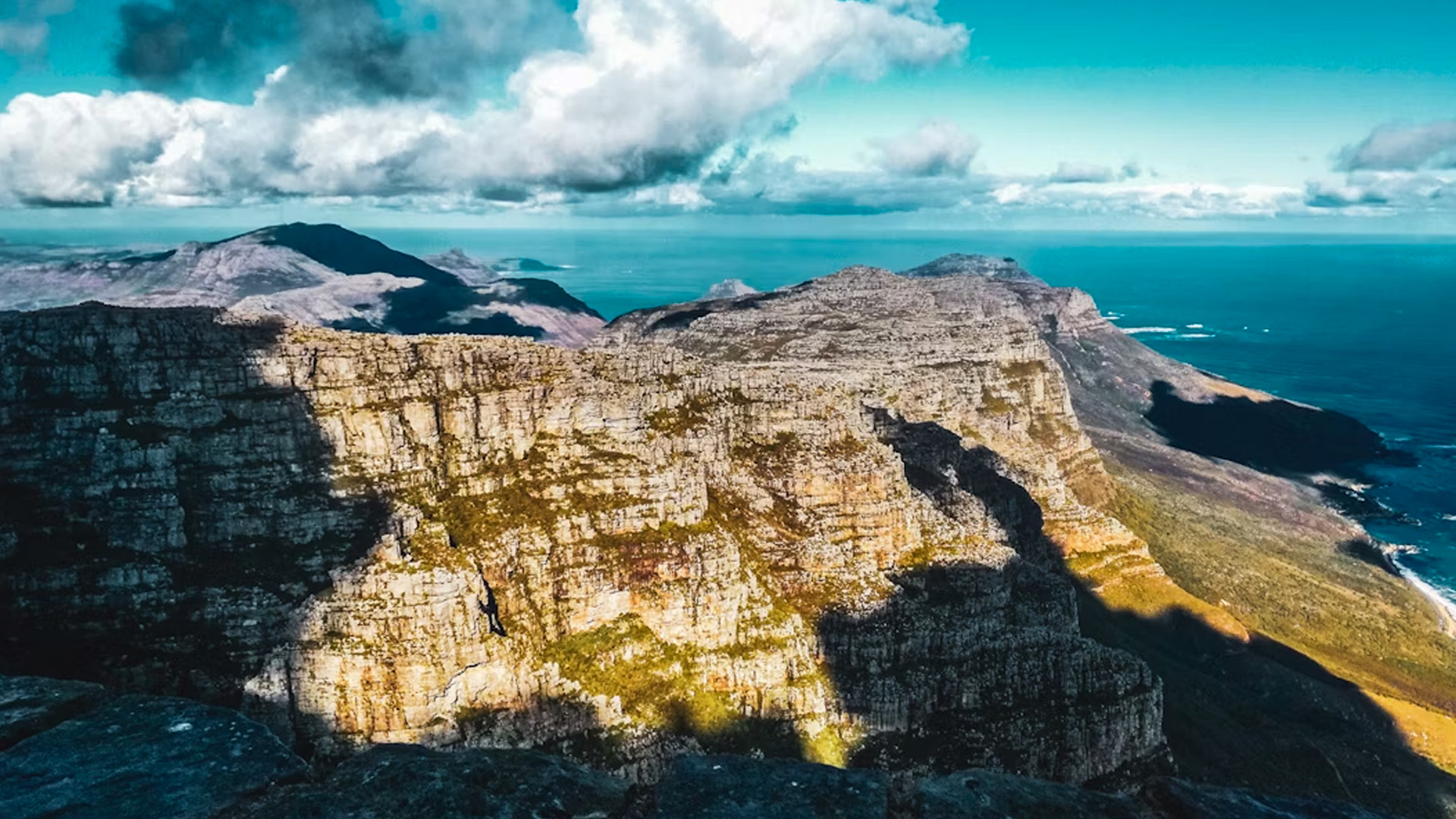
Choosing a route on Table Mountain is like selecting an algorithm: you trade speed, complexity, and error tolerance. Platteklip Gorge is the O(1) of ascents—direct, exposed, repetitive—great for first-timers who respect heat and pace. Skeleton Gorge is a lush counterpoint from Kirstenbosch, a shaded ladder of roots and boulders that outputs onto fynbos plateaus and reservoirs. India Venster is the spicy heuristic: scrambling, route-finding, airy traverses beneath the cableway. Match path to party. With kids or a camera-heavy load, conserve cognitive bandwidth with Platteklip. If you crave variety and canopy, go Skeleton. If you have scrambling competence and good conditions, Venster rewards.
Map out decision gates before you lace boots. At the lower cable station, decide whether cloud is sitting as a uniform “tablecloth” or fragmenting; this determines views and safety. Carry water like it’s non-optional—because it is. Mentally chunk ascents into waypoints: benches, bends, boulders that affirm progress. A hypothetical duo, Sizwe and Kat, starts Platteklip at 07:30, hits the contour path junction in 50 minutes, and throttles pace when the sun clears the ridge. They’re not chasing a time; they’re managing thermal load. The mountain is patient. Treat your ascent as a conversation: listen to quads, negotiate with breath, and keep ego out of it.
Weather Windows, Safety Protocols, and Minimalist Gear
Table Mountain manufactures weather. Orographic uplift spawns cloud banks in minutes; a blue start can turn gauzy then opaque. Read the forecast, but trust your eyes: if the upper cableway suspends operations, that’s a high-signal indicator of wind aloft. Footwear with grip, a windproof layer, a hat, and two liters of water per person is bare minimum in summer. In winter, add gloves and a warm mid-layer. A headlamp weighs nothing and solves everything if you misjudge daylight. Navigation apps are helpful but not sovereign; batteries fail. Tell someone your route. The rescue teams are professionals, not plan B. Don’t outsource judgment.
Safety also rides on micro-decisions. Turn around if someone in the party is flagging; descent injuries cascade from ego. On India Venster, obey yellow footprints, not social trails. In Skeleton Gorge, respect slick wood after rain. Snacking is performance engineering; salty, dense foods stabilize mood and decision quality. If cloud caps the summit, treat it like walking inside a minimalist art installation—beautiful, disorienting, and not a photo op if you’re unsure of bearings. When in doubt, follow cairns toward the cableway complex. The mountain will be here tomorrow. Finishing upright with good stories beats a rescue with grand ones every time.
Cableway Integration: Ascent–Descent Strategies and Wind Logic
Hybrid days—hike up, cableway down—are elegant solutions that spare knees while keeping summit time generous. The dependency is wind. The cableway is a wind-sensitive machine; a sudden pause can elongate queues or stop service entirely. Plan with branching logic: if the cableway runs, descend by gondola; if not, choose the least punishing down-route, often Platteklip. Pack a lightweight cushion of time and calories for either outcome. Queue management becomes game theory. Aim for off-peak windows—late morning or late afternoon outside holiday surges—and enjoy the rotating floor if available; it’s not a gimmick, it’s a marvelous orientation device on the glide home.
On the summit, treat paths like a micro-city: nodes (upper station, café, lookouts) linked by arterials. Don’t sprint viewpoints; curate them. One south-facing lookout over the Twelve Apostles, one north over the harbor, one east over the city bowl—that triad covers aesthetic bases. If visibility is crystalline, a long lens compresses Lion’s Head into the skyline like a chess piece. If cloud drapes the plateau, switch to macro—fynbos textures, water drops on Erica blossoms, quartz glinting. Either way, stage descent choices early. If wind ticks up, pivot to a quick Platteklip down-climb. Your knees may grumble, but redundancy sings.
Township Cultural Tours: Respectful Proximity and Reciprocal Value
Community-Led Operators, Economic Multipliers, and Route Design
The difference between a checkbox excursion and a meaningful township tour is governance: who designs the route, who tells the story, and who benefits. In 2025, prioritize community-led operators whose ownership and guiding are embedded locally. Ask blunt questions: what percentage of revenue stays in the neighborhood; which micro-enterprises are visited; how are photos and data handled? Transparent answers signal maturity. Good operators choreograph small group sizes, pre-briefs about etiquette, and translation where needed. Think of the itinerary as a value chain: home visits, craft cooperatives, music collectives, and food vendors linked in a loop that multiplies your spend rather than extracting it.
Route design matters as much as narrative. A strong tour has spatial texture: open thoroughfares, quieter lanes, a community center, a maker’s workshop. It interleaves structured storytelling with serendipity. You might step into a marimba rehearsal, test a beadwork pattern, or share a kitchen where steam fogs windows and conversation loosens. Treat time as a gift rather than a quota; dwell where connection ignites. If a guide diverts from plan for a living moment, follow. You’re not consuming an exhibit; you’re visiting a neighborhood. The best days end with new vocabulary, WhatsApp numbers, maybe a recipe scribbled into your notes app.
Food, Music, and Micro-Enterprise: Sensory Learning in Real Time
Food is a protocol. Bunny chow halves, shisa nyama cuts singing on grills, amagwinya still warm—each bite carries micro-histories of migration, improvisation, and celebration. Eat with intention: ask who sourced the spices, who built the braai, who runs the stall. Pay fair and tip directly. Music is the other curriculum. Street gospel harmonies, amapiano basslines, or a slow jazz standard leaking from a shebeen will teach you more about mood than any pamphlet. Buy a CD, stream a track, or drop a small note into a tip jar. These micro-transactions are not charity; they are cultural exchange with receipts.
Micro-enterprises are R&D labs of resilience. Tailors, welders, hair stylists, printers, barbers, bakers—skills cluster and cross-pollinate into new ventures. When you buy a beadwork pendant or a hand-printed tee, you are participating in a feedback loop that rewards craft and risk. Ask to see process, not just product; makers often glow when invited to explain. A hypothetical pair, Lerato and Johan, split a small budget across five stops rather than one, and leave with stories tied to objects, not just the objects. Reciprocity isn’t an abstract ethic here; it’s a very practical accelerator of local ambition and pride.
Protocol, Consent, and Photography: Practicing Dignified Curiosity
Great township tours feel less like tours and more like carefully mediated introductions. That starts with consent. Ask before photos, especially of children; better yet, let the guide broker the moment. Share images back via WhatsApp if someone wants a copy. Keep gear discreet—one camera body or phone is plenty. Dress neutrally and leave peacock colors and flashy watches at home. Curiosity is welcome; interrogation is not. If a topic surfaces—service delivery, education, entrepreneurship—follow the thread with humility. Your goal is to understand the rhythm of the place, not to audit it. Curate your attention like a guest who plans to return.
Safety protocols are simple and effective: stay with the guide, avoid isolated alleys, keep phones in front pockets, and step aside from traffic with intention. Most routes are well-tested and community-blessed. If something unexpected arises, trust the guide’s call; local knowledge is a superpower. The best operators debrief at the end, inviting questions and feedback. Use that space to reflect on what surprised you, what challenged a stereotype, and what you want to learn next time. When you leave with a full notebook and a lighter set of assumptions, the tour has succeeded. You weren’t merely shown a place; you were invited into it.
Elisha Roodt
Sharing authentic stories and expert insights from the heart of South Africa's tourism landscape.
More From South Africa
Stargazing Pods to Forest Baths: Unique Wellness Escapes in South Africa
A Glimpse into Restorative Journeys Beyond Conventional Travel Across South Africa, the landscape of wellness travel is transforming into a...

Essential Tips for First-Time Tourists in South Africa
Your Complete Guide to a Safe, Stunning, and Unforgettable Adventure South Africa offers an extraordinary blend of vibrant cultures, breathtaking...
Urban Explorations: Uncovering the Hidden Charms of South African Cities
Discovering the Soul of Urban South Africa Imagine wandering through winding alleyways, where centuries-old architecture stands side by side with...
Discovering South Africa
Experience the Vibrant Tapestry of Luxury, Flavor, and Scenic Beauty South Africa unfolds as a realm where modern sophistication meets timeless...
Sustainable and Responsible Tourism
Embracing Eco-Friendly Lodges and Ethical Wildlife Conservation Tours in South Africa Imagine waking up to the sounds of the African wilderness...

Ultimate Guide to Touring South Africa: Top Activities and Experiences
Discover the Wonders of South Africa with South African Tours South Africa, often referred to as the "Rainbow Nation," offers a rich tapestry of...