
Turtle Nesting Tours in KwaZulu-Natal: An Unforgettable Wildlife Experience
Witness the Majesty of Ancient Reptiles in Their Natural Habitat Imagine standing under a starlit sky on the pristine beaches of northern...
Witness the Majesty of Ancient Reptiles in Their Natural Habitat
Imagine standing under a starlit sky on the pristine beaches of northern KwaZulu-Natal, the rhythmic sound of waves serenading you as you watch ancient turtles embark on one of nature’s most extraordinary rituals. From November to March, these shores become a sanctuary for loggerhead and leatherback turtles, offering a rare glimpse into the lives of creatures that have roamed the Earth for over 100 million years. Turtle nesting tours in KwaZulu-Natal provide wildlife enthusiasts with an unparalleled opportunity to witness these majestic reptiles in action, fostering a deeper connection with nature and a commitment to conservation.
The Natural Spectacle of Turtle Nesting
A Seasonal Transformation
Every year, the beaches of northern KwaZulu-Natal undergo a remarkable transformation as loggerhead and leatherback turtles return to lay their eggs. This period, spanning from November to March, marks the peak nesting season when thousands of female turtles journey from the open ocean to the sandy shores to continue their life cycle. The sight of these powerful creatures gracefully navigating the shoreline is a testament to their resilience and the intricate balance of marine ecosystems.
As dusk settles, the beach becomes a stage for this natural spectacle. Guided by instinct and environmental cues, female turtles begin their descent to the sand, their movements a blend of determination and grace. The air is filled with anticipation as each turtle digs a nest, a carefully orchestrated process that ensures the survival of the next generation. This seasonal event not only captivates onlookers but also highlights the critical importance of preserving these vulnerable species and their habitats.
The Ancient Guardians of the Sea
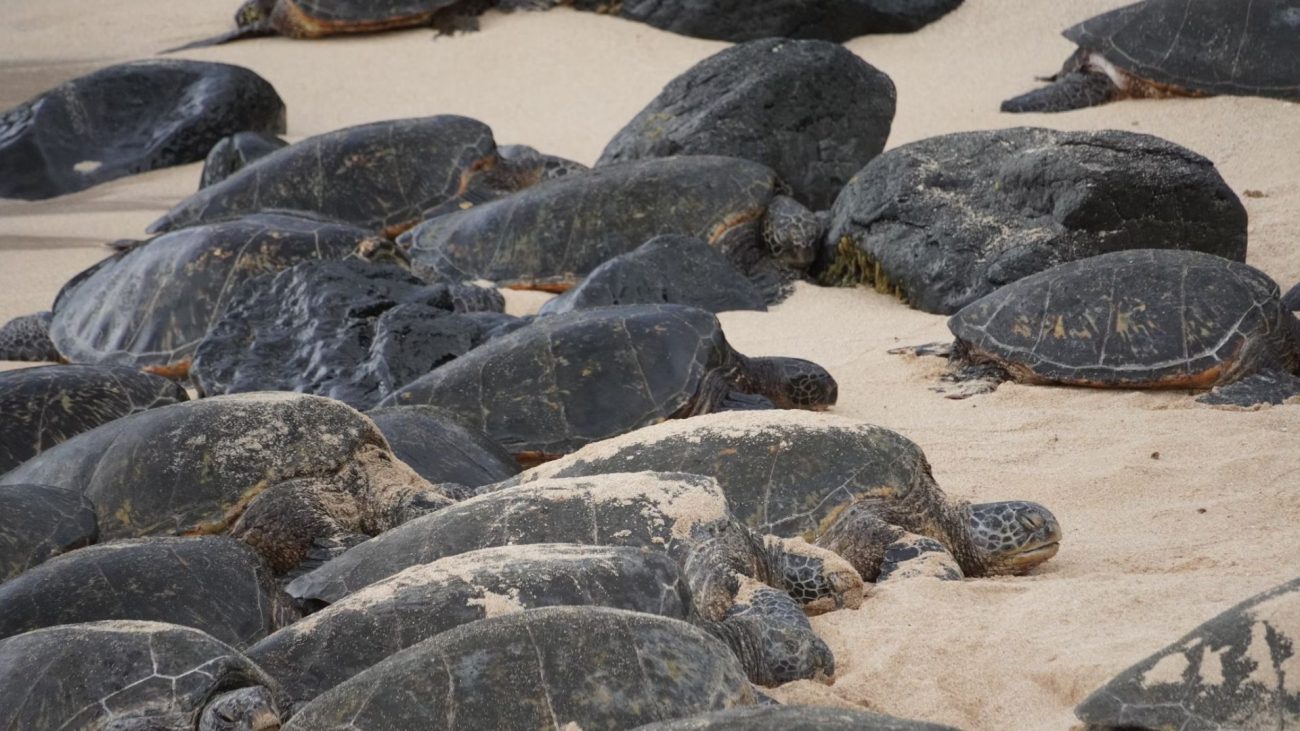
Loggerhead and leatherback turtles are among the oldest species on the planet, with evolutionary histories that stretch back millions of years. The loggerhead turtle, identifiable by its large head and strong jaws, plays a crucial role in maintaining the health of marine ecosystems by controlling jellyfish populations. Meanwhile, the leatherback turtle, the largest of all sea turtles, is renowned for its distinctive leathery shell and incredible diving capabilities, reaching depths of up to 1,200 meters.
These ancient reptiles are more than just symbols of marine life; they are vital indicators of ocean health. Their migratory patterns, nesting behaviors, and interactions with their environment provide scientists with invaluable data on the impacts of climate change, pollution, and habitat destruction. By participating in turtle nesting tours, visitors gain a profound appreciation for these guardians of the sea and the urgent need to protect them from ongoing threats.
Conservation Efforts: Safeguarding Endangered Species
Protecting Vulnerable Habitats
The survival of loggerhead and leatherback turtles hinges on the preservation of their natural habitats. Coastal development, light pollution, and human interference pose significant challenges to successful nesting. In response, conservation initiatives in KwaZulu-Natal have implemented stringent measures to protect these critical areas. Beach monitoring teams work tirelessly to track turtle movements, identify nesting sites, and ensure that these areas remain undisturbed during the nesting season.
One of the key strategies involves the installation of turtle-safe lighting along the beaches. Traditional white lights can disorient hatchlings, leading them away from the ocean and increasing mortality rates. By using red-filtered flashlights, conservationists minimize light pollution, allowing turtles to navigate naturally. Additionally, educational campaigns raise awareness among local communities and tourists about the importance of respecting nesting areas, fostering a culture of stewardship and responsibility.
Community Involvement and Education
Effective conservation extends beyond protecting physical spaces; it involves engaging and empowering local communities. In KwaZulu-Natal, conservation efforts actively involve residents, providing training and employment opportunities for beach monitors and educators. These community-driven initiatives ensure that conservation becomes a shared responsibility, enhancing the sustainability of protection measures.
Educational programs play a pivotal role in changing perceptions and behaviors towards turtles and their environments. By integrating conservation education into school curricula and public outreach programs, these efforts cultivate a deeper understanding of the ecological significance of turtles. Visitors on nesting tours also receive informative briefings, fostering a sense of connection and commitment to ongoing conservation projects. This holistic approach ensures that the legacy of turtle conservation is preserved for future generations.
The Tour Experience: A Night to Remember
Guided Nighttime Excursions
Turtle nesting tours in KwaZulu-Natal are meticulously planned nighttime excursions led by seasoned wildlife experts and dedicated conservationists. As the sun sets, participants embark on a guided journey along designated nesting beaches, equipped with red-filtered flashlights to minimize disturbance. The tranquility of the night enhances the experience, allowing visitors to immerse themselves fully in the natural surroundings without disrupting the turtles’ delicate processes.
Each tour begins with an informative briefing, where guides explain the significance of turtle nesting, the specific behaviors to observe, and the guidelines for responsible wildlife interaction. This preparation ensures that visitors are not only spectators but also informed participants in the conservation efforts. As the group moves towards nesting sites, the anticipation builds, culminating in the awe-inspiring sight of turtles in action.
Observing the Nesting Rituals
Witnessing a turtle dig a nest is a profound experience that underscores the intricate relationship between nature and survival. Female turtles use their flippers to carve out depressions in the sand, depositing dozens of eggs with meticulous care. This ritual is a delicate balance of strength and precision, as turtles work tirelessly to ensure that their offspring have the best chance of survival. Observing this process firsthand fosters a deep appreciation for the turtles’ resilience and the complexities of their life cycles.
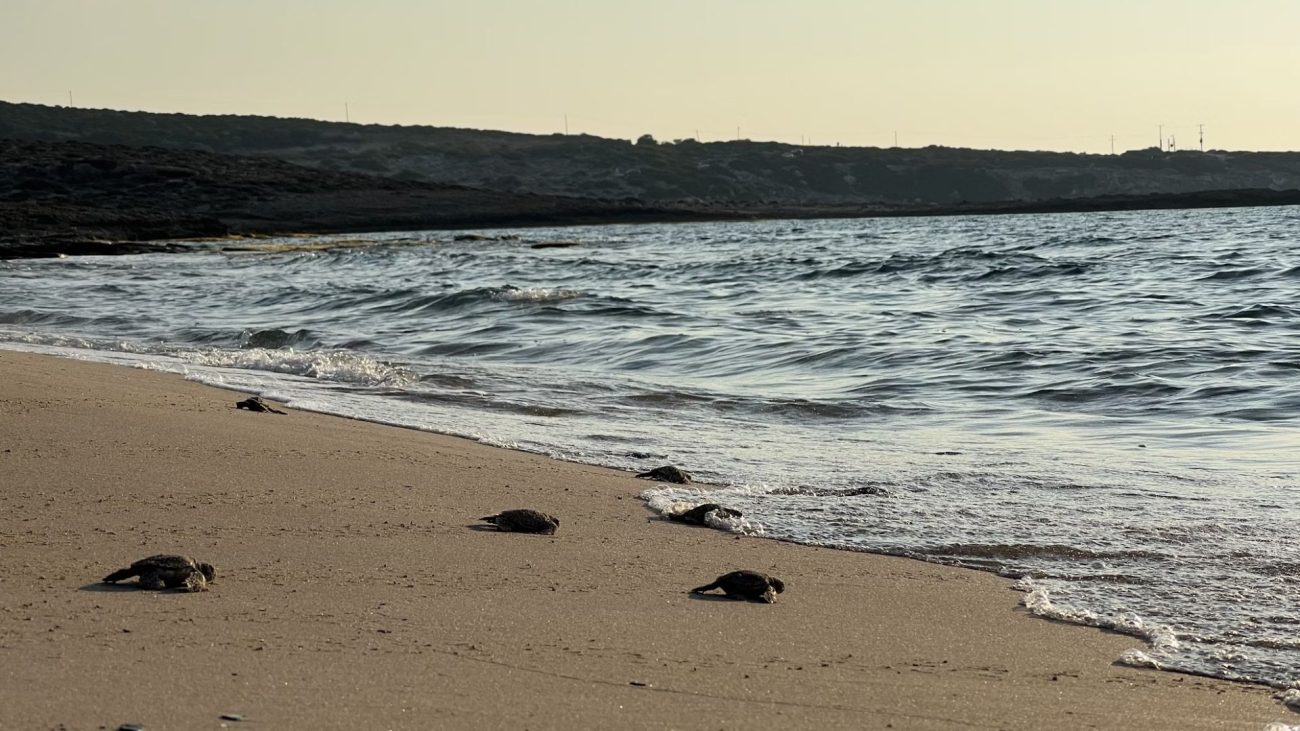
The journey of hatchlings from nest to ocean is equally mesmerizing. After approximately 60 days of incubation, tiny turtles emerge from the sand, driven by instinct to find the water. The sight of these hatchlings navigating the sandy terrain, guided by the natural light of the horizon, is a poignant reminder of the challenges they face and the fragility of their existence. These moments highlight the critical importance of ongoing conservation efforts to support their journey.
Connecting with Nature and Wildlife
Turtle nesting tours offer more than just observation; they provide an opportunity to connect deeply with nature and wildlife. The serene environment, coupled with the incredible sights of turtles and hatchlings, creates an immersive experience that leaves a lasting impression. Participants often find themselves reflecting on the beauty and complexity of marine ecosystems, gaining insights that extend beyond the immediate experience.
This connection fosters a sense of responsibility and advocacy, inspiring visitors to support conservation initiatives and adopt sustainable practices in their own lives. The emotional and intellectual engagement provided by these tours transforms casual observers into passionate advocates for wildlife protection, amplifying the impact of conservation efforts.
Best Practices for Visitors: Respecting and Protecting Turtles
Minimizing Disturbance
Respecting the turtles and their habitat is paramount during nesting tours. Tour operators enforce strict guidelines to ensure that visitors do not disrupt the natural processes. Using red-filtered flashlights is essential, as red light is less intrusive and less likely to disturb the turtles. Visitors are also instructed to maintain a respectful distance from nesting sites, avoiding any physical contact or interference.
By adhering to these best practices, participants help create a safe and undisturbed environment for turtles to nest and hatch. This careful approach ensures that conservation efforts remain effective and that the turtles can carry out their rituals without added stress or disruption. Respectful behavior not only protects the turtles but also enhances the overall experience, allowing visitors to observe with clarity and appreciation.
Sustainable Tourism Practices
Embracing sustainable tourism practices is integral to the success of turtle nesting tours. Visitors are encouraged to leave no trace, meaning they should avoid littering and ensure that all waste is properly disposed of. Tour operators often provide reusable or biodegradable materials to minimize environmental impact, reinforcing the importance of sustainability in tourism.
Additionally, supporting eco-friendly tour providers and local conservation initiatives amplifies the positive effects of tourism on the environment. By choosing responsible operators, visitors contribute directly to the preservation of natural habitats and the welfare of endangered species. Sustainable practices ensure that turtle nesting tours remain a viable and impactful conservation tool for years to come.
Educating and Raising Awareness
Every turtle nesting tour is an educational journey, providing visitors with valuable insights into turtle biology, the challenges they face, and the ongoing conservation efforts. Guides share fascinating facts about the turtles’ life cycles, migratory patterns, and the ecological roles they play. This knowledge deepens the appreciation for these ancient creatures and underscores the importance of their protection.
Visitors are also made aware of broader environmental issues, such as plastic pollution and climate change, that threaten marine ecosystems. By raising awareness, these tours empower individuals to take informed actions in their own lives, promoting environmental stewardship and advocacy. Education is a powerful tool in the fight to save endangered species, and turtle nesting tours leverage this to create informed and engaged conservation supporters.

Educational Value: Learning Through Observation
Insights into Turtle Biology
Turtle nesting tours provide a unique, hands-on learning experience that brings the intricacies of turtle biology to life. Observing the nesting process, from the initial digging of nests to the emergence of hatchlings, offers invaluable insights into the reproductive behaviors and survival strategies of loggerhead and leatherback turtles. This direct observation reinforces theoretical knowledge, making complex biological concepts tangible and understandable.
Guides explain the physiological adaptations that enable turtles to navigate vast oceanic distances and successfully reproduce on land. Participants learn about the significance of temperature-dependent sex determination, where the incubation temperature of eggs influences the sex of the hatchlings. These biological nuances highlight the delicate balance of nature and the factors that influence the survival of species.
Understanding Conservation Challenges
Beyond biology, turtle nesting tours shed light on the broader conservation challenges faced by sea turtles. Participants gain a comprehensive understanding of threats such as habitat destruction, poaching, bycatch in fishing operations, and the pervasive issue of plastic pollution. By witnessing the turtles’ struggles firsthand, visitors develop a deeper empathy and a more nuanced perspective on the importance of conservation efforts.
Guides discuss the multifaceted strategies employed to mitigate these threats, including beach monitoring, anti-poaching patrols, and community education programs. This holistic view of conservation efforts illustrates the complexity of protecting endangered species and the collaborative efforts required to ensure their survival. Understanding these challenges equips visitors with the knowledge to support and advocate for effective conservation measures.
Fostering Environmental Stewardship
The educational value of turtle nesting tours extends beyond immediate learning, fostering a sense of environmental stewardship among participants. By connecting visitors with the natural world and the plight of endangered species, these tours inspire proactive engagement in conservation initiatives. Whether it’s reducing plastic usage, supporting sustainable fisheries, or advocating for protected areas, visitors leave with actionable insights on how they can contribute to environmental preservation.
This sense of stewardship transforms the experience from passive observation to active participation, empowering individuals to make meaningful changes in their own lives and communities. Turtle nesting tours thus serve as a catalyst for broader environmental advocacy, amplifying the impact of conservation efforts and promoting a sustainable future for all.
Booking Information: Planning Your Turtle Nesting Tour
Choosing the Right Tour Operator
Selecting a reputable tour operator is crucial for ensuring a positive and impactful turtle nesting experience. Operators like the iSimangaliso Wetland Park, a UNESCO World Heritage Site, offer professionally guided tours that prioritize conservation and sustainability. When choosing a tour, consider factors such as the operator’s commitment to eco-friendly practices, the expertise of their guides, and their track record in conservation efforts.
Reading reviews and seeking recommendations can also help identify trustworthy operators who provide enriching and respectful experiences. A well-organized tour ensures that all necessary precautions are taken to protect the turtles and their habitat, allowing visitors to focus on enjoying the natural spectacle.
Booking in Advance
Due to the sensitive nature of turtle nesting activities, tours are often in high demand, especially during peak nesting season from November to March. Booking in advance is recommended to secure a spot and ensure availability with your preferred tour operator. Early booking also allows time to make any necessary travel arrangements and ensures that you are well-prepared for the tour.
Additionally, some operators may have limited tour sizes to minimize environmental impact, making advance reservations even more important. Planning ahead guarantees that you can partake in this once-in-a-lifetime experience without any last-minute hurdles, enhancing the overall enjoyment of your trip.
Preparing for Your Tour
Preparation is key to making the most of your turtle nesting tour. Ensure you have appropriate clothing for nighttime excursions, such as comfortable walking shoes, layers to adjust to temperature changes, and a jacket for cooler evenings. Bringing a flashlight with red filters is essential, as it minimizes disturbance to the turtles and enhances your ability to see without disrupting their natural behaviors.
Other essentials include insect repellent to protect against mosquitoes and other nighttime pests, a camera with a good zoom lens for capturing moments without intruding, and a respectful attitude towards the wildlife and environment. Being well-prepared ensures that you can fully immerse yourself in the experience while adhering to conservation guidelines.
Why Go? The Irreplaceable Experience of Turtle Nesting Tours
A Unique Connection with Nature
Participating in a turtle nesting tour in KwaZulu-Natal offers a profound connection with nature that transcends typical wildlife encounters. The sheer determination of turtles returning to their nesting grounds, the delicate process of egg-laying, and the emergence of hatchlings are awe-inspiring moments that resonate deeply with participants. This intimate interaction with one of nature’s most ancient and resilient species fosters a lasting appreciation for wildlife and the ecosystems that support them.
Supporting Conservation Efforts
By joining turtle nesting tours, visitors directly contribute to conservation efforts. Tour fees often support local monitoring programs, habitat protection initiatives, and community education projects. This financial support is vital for sustaining ongoing conservation work and ensuring that these endangered turtles have a fighting chance for survival. Visitors become active participants in the preservation of marine biodiversity, making their experience not only memorable but also meaningful.
Creating Lasting Memories and Inspiring Change
The emotional impact of witnessing turtles in their natural habitat can be life-changing. Participants often leave with a sense of wonder and a renewed commitment to environmental stewardship. These tours create lasting memories that inspire individuals to advocate for conservation and adopt sustainable practices in their daily lives. The personal transformation that occurs through such immersive experiences underscores the powerful role that ecotourism plays in fostering a more sustainable and compassionate world.
Frequently Asked Questions
When is the best time to join a turtle nesting tour in KwaZulu-Natal?
The optimal time for turtle nesting tours is between November and March, which is the peak nesting season for loggerhead and leatherback turtles. Booking during these months increases the likelihood of witnessing active nesting and hatchling emergence.
Are turtle nesting tours suitable for all ages?
Yes, turtle nesting tours are generally suitable for all ages. However, parents should ensure that younger children are supervised and understand the importance of respecting wildlife and following tour guidelines to minimize disturbance to the turtles.
What should I bring on a turtle nesting tour?
Essential items include comfortable walking shoes, layered clothing, a jacket for cooler evenings, a flashlight with red filters, insect repellent, a camera with a good zoom lens, and any personal necessities. It’s also advisable to bring water and snacks, as tours can last several hours.
How can I contribute to turtle conservation outside of joining tours?
You can support turtle conservation by reducing plastic usage, supporting eco-friendly products, volunteering with local conservation organizations, spreading awareness about marine conservation issues, and advocating for policies that protect marine habitats and endangered species.
Is photography allowed during turtle nesting tours?
Photography is typically allowed, but visitors are advised to use cameras responsibly. Flash photography should be avoided to prevent disturbing the turtles, and maintaining a respectful distance is essential to ensure that the turtles remain undisturbed.
Gerald Ferreira
Sharing authentic stories and expert insights from the heart of South Africa's tourism landscape.
More From South Africa

Stargazing Pods to Forest Baths: Unique Wellness Escapes in South Africa
A Glimpse into Restorative Journeys Beyond Conventional Travel Across South Africa, the landscape of wellness travel is transforming into a...

Cape Town Day Tours You Can’t Miss in 2025
A 2025 Field Guide to Cape Town’s Most Essential Day Trips Some cities ask to be strolled; Cape Town asks to be circumnavigated, climbed, ferried...

Essential Tips for First-Time Tourists in South Africa
Your Complete Guide to a Safe, Stunning, and Unforgettable Adventure South Africa offers an extraordinary blend of vibrant cultures, breathtaking...

Urban Explorations: Uncovering the Hidden Charms of South African Cities
Discovering the Soul of Urban South Africa Imagine wandering through winding alleyways, where centuries-old architecture stands side by side with...

Discovering South Africa
Experience the Vibrant Tapestry of Luxury, Flavor, and Scenic Beauty South Africa unfolds as a realm where modern sophistication meets timeless...
Sustainable and Responsible Tourism
Embracing Eco-Friendly Lodges and Ethical Wildlife Conservation Tours in South Africa Imagine waking up to the sounds of the African wilderness...